
Do I Have to Accept an Offer on My House? No, and Here Is What You Actually Control.
One of the questions sellers ask more than you might expect is whether they are legally required to accept an offer once it comes in. The short answer is no. The longer answer involves understanding what you actually control as a seller in Texas and how to use that control strategically rather than reactively. Here is the complete picture.
In Texas, a seller has no legal obligation to accept any offer on their home regardless of the price, the terms, or how long the home has been listed. An offer is simply a proposal from a buyer. Until you sign that offer and deliver it back to the buyer as accepted, no contract exists and you have no obligations to that buyer whatsoever. You can reject an offer, counter it, ignore it entirely, or accept it. The choice is completely yours.
This surprises some sellers who feel a social pressure to respond in a certain way, especially when a buyer has been shown the home multiple times or has expressed strong interest. That social pressure is understandable but it has no legal weight. The decision about whether to accept, counter, or reject is yours to make based entirely on what serves your best interest.
While you are not required to accept any offer, there is one area where your discretion has legal limits. You cannot reject an offer based on the buyer's race, color, national origin, religion, sex, familial status, or disability. These are protected classes under the Fair Housing Act and discrimination based on any of them in a real estate transaction is illegal. Your decision to accept, counter, or reject any offer must be based on the terms of the offer itself, not the characteristics of the buyer making it.
In practice, sellers almost never know who the buyer is personally. Offers come through agents and are evaluated on their financial terms, contingencies, and closing timeline. Making decisions based on those factors is completely appropriate. Making them based on anything about the buyer personally is not.
Once you sign an offer and deliver it to the buyer as accepted, a binding contract exists. At that point your ability to simply walk away changes significantly. A seller who backs out of a signed contract without a valid contractual basis exposes themselves to legal consequences including the possibility of the buyer pursuing specific performance, which is a lawsuit that could compel you to complete the sale.
This is why the decision to accept an offer should be made carefully and with full understanding of what you are agreeing to. Take the time to read every term. Ask questions about anything you do not understand. And make sure the price, the financing, the closing timeline, and every other term of the offer actually work for your situation before you sign.
Between accepting and rejecting there is almost always a better option and that is countering. A counter offer allows you to modify the terms of an offer, whether that is the price, the closing date, the option period length, or any other term, and present those modified terms back to the buyer for their consideration. Countering keeps the negotiation alive, shows the buyer you are engaged, and gives both parties the opportunity to find terms that work for everyone.
I advise every seller I work with to counter rather than reject in most situations. Even an offer that feels insulting in the moment often has a buyer behind it who is willing to come up significantly if the door stays open. A counter at your full asking price or something close to it tells the buyer you are serious about your value and puts the decision in their hands without closing the conversation entirely.
If you receive multiple offers at the same time, Texas real estate practice gives you several options. You can accept one offer outright, reject all others, and move forward. You can counter one offer while letting the others know you are in negotiations. Or you can notify all buyers that you are in a multiple offer situation and invite each of them to submit their highest and best offer by a specific deadline. That last approach often produces the strongest outcome when you have genuine competition and you want to let the market determine the best price and terms without leaving any buyer out of the conversation.
How to handle a multiple offer situation strategically is one of the most valuable things I bring to the sellers I work with. The wrong approach can cost you the strongest offer. The right approach can push the final sale price meaningfully above where any single offer started.
If you receive an offer that is close but not quite where you want to be on price or terms, there is nothing wrong with taking a reasonable amount of time to respond thoughtfully rather than reacting immediately. Offers typically have an expiration time specified by the buyer and you have until that deadline to respond. Using that time to think clearly rather than reacting in the moment of first reading the offer is almost always the right call.
What does not serve you well is waiting indefinitely in hopes that a better offer is coming without any real evidence to support that belief. In the current Lubbock market where buyers have options, a serious buyer who does not get a response will move on to the next listing. The window to negotiate is open for a limited time and acting within it is important.
Every offer I present to my sellers comes with my honest assessment of the terms, the buyer's apparent seriousness, what the comparable sales say about the price, and a clear recommendation on how to respond. You make the final call but you make it with full information rather than just a gut reaction to a number. If you are getting ready to list in Lubbock or West Texas and you want that kind of guidance when offers come in, I want to work with you.
No, you do not have to accept any offer on your home in Texas. You have the right to reject, counter, or accept based entirely on what serves your best interest, with the one important exception of fair housing laws. Understanding that you have this control and knowing how to use it strategically rather than reactively is what separates sellers who get the outcome they wanted from ones who either settled too quickly or let good opportunities slip away by responding emotionally rather than thoughtfully.

Going under contract only to have the deal fall apart over financing is one of the most frustrating experiences a seller can have. Here is how it happens, what you are… Read more
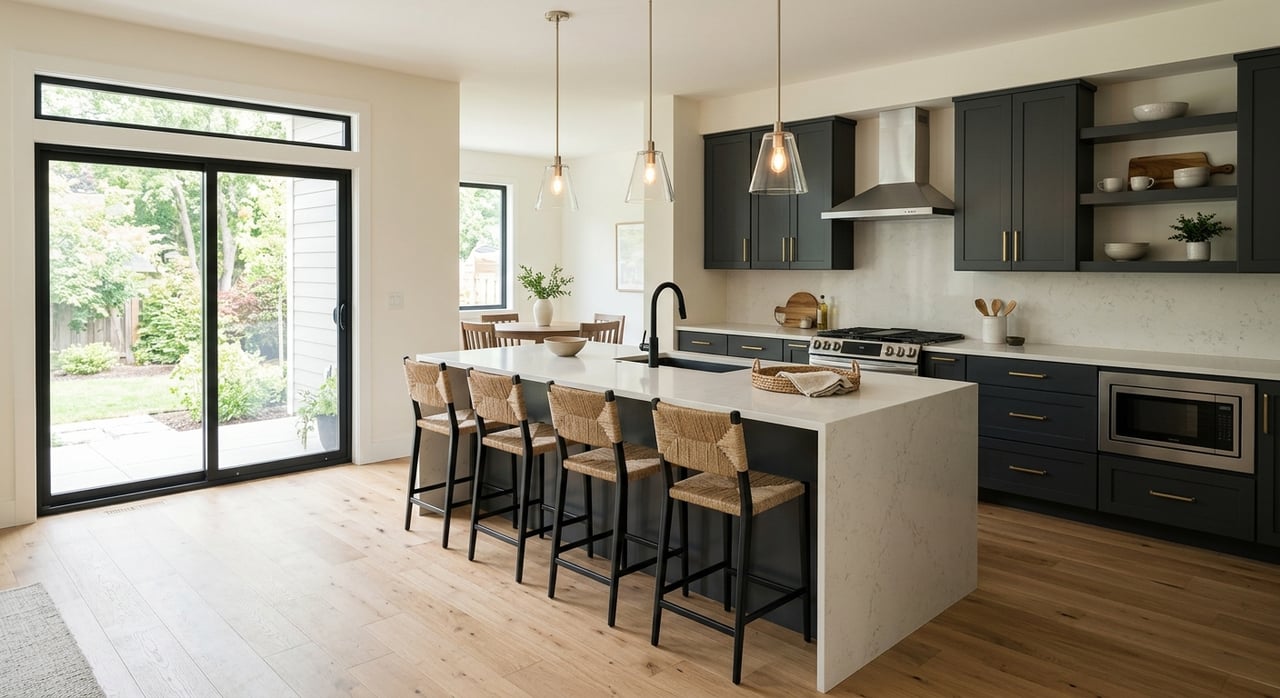
A lot of sellers feel pressure the moment an offer comes in, like they are obligated to respond in a certain way or accept something they are not comfortable with. Her… Read more

A lowball offer is not necessarily a dead end. Here is what it usually means, how to respond strategically, and how to tell the difference between a buyer who is negot… Read more

Overpricing is the single most expensive mistake a seller can make in the current Lubbock market. Here is exactly what it costs you, how the damage compounds over time… Read more

In a market with rising inventory and longer days on market, the fear of your home not selling is more real than it has been in years. Here is what actually causes a h… Read more

The fear of overpaying is one of the most active concerns buyers carry in any shifting market. Here is exactly how to evaluate whether a home is priced right in Lubboc… Read more

Long-term investment anxiety is one of the quietest fears buyers carry into a purchase. Here is how to research a neighborhood properly before you buy, what signals to… Read more

It is the fear people rarely say out loud but search privately. Here is an honest look at what actually happens, how to protect yourself before you ever close, and why… Read more
Get assistance in determining current property value, crafting a competitive offer, writing and negotiating a contract, and much more. Contact me today.

TESS HERNANDEZ
6901 Quaker Ave Ste 100 Lubbock, TX 79413