
City Of New Home vs County: What Impacts Your Payment
A single line on a map can change your monthly payment. If you are home shopping around New Home High School, whether you sit inside the City of New Home or just in Lynn County affects which taxes and fees land in your escrow. You want clarity before you fall in love with a property. This guide breaks down who charges what, how it flows into your mortgage, and the simple checks to run before you make an offer. Let’s dive in.
If a home is inside the City of New Home, your tax bill may include a city property tax in addition to Lynn County and New Home ISD. Homes outside city limits do not pay a city levy, but they still pay county, school district, and any special-district taxes. The exact mix depends on your specific parcel. You can see which taxing units apply to any address using the Lynn County Appraisal District’s parcel search and taxing-unit list at the Lynn CAD website.
For most Texas homeowners, the school portion is the largest slice of the property tax bill. School taxes have two parts: Maintenance and Operations (M&O) for day-to-day costs, and Interest and Sinking (I&S) for bond repayments. New Home ISD posts its adopted rate and required notices each year. The district’s 2025–2026 materials note the adopted rate will raise more M&O taxes than last year’s rate, which can affect your annual bill if you own in the district. You can view the current resolution and budget on the New Home ISD financial information page.
Some New Home–area parcels fall within special districts that can add taxes or fees. Lynn CAD lists units such as High Plains Underground Water District #1 and a hospital district among potential taxing authorities in parts of Lynn County. Not every property is inside every district. Use the Lynn CAD site to confirm what applies to the specific parcel you are considering.
Sales tax does not apply to owning a home, but it does affect your cost of living. Recent summaries show a combined sales tax around 6.75 percent for New Home, driven by the state’s 6.25 percent base plus 0.50 percent at the county level. You can review the latest posted rate for New Home at the Sales Tax Handbook’s New Home page and confirm details with the Texas Comptroller before you budget.
Most lenders collect property taxes and homeowners insurance in an escrow account, which adds one twelfth of your annual taxes and insurance to each monthly payment. When your home’s appraised value rises or a taxing unit raises its adopted rate, your annual tax total goes up. That can create an escrow shortage and a higher monthly mortgage payment at your next escrow analysis. The Consumer Financial Protection Bureau explains how escrow accounts work and what to do if you have an issue in its escrow guidance for homeowners.
Let’s say a New Home property has a taxable value of $200,000 and a combined effective property tax rate of about 1.34 percent. That is about $2,680 per year, or roughly $223 per month added to your escrow. If the combined rate or taxable value rises by 10 percent, that escrow portion could climb to about $245 per month. The 1.34 percent figure reflects a median effective rate cited by a market-data provider and is for illustration only; check your parcel’s exact units and adopted rates before you estimate. You can see New Home context on Ownwell’s New Home tax trends page.
Many buyers target homes near New Home High School. Some of those addresses are inside the City of New Home, while others nearby are outside city limits. Being outside city limits may remove a city property tax line item for that home, but county, school district, and any special-district taxes still apply. Compare two addresses using the Lynn CAD parcel search to see the difference in taxing units.
Texas offers exemptions that reduce taxable value for eligible homeowners. The residence homestead exemption lowers your school-taxable value, and additional exemptions may be available for homeowners who are over 65, have a disability, or are qualifying disabled veterans. Some of these create a school tax ceiling for eligible owners. You apply through the local appraisal district. Learn about statewide eligibility on the Texas Governor’s property tax exemptions overview and file with Lynn CAD for your parcel.
Ready to compare two New Home addresses side by side or get a clear estimate before you offer? Reach out to Tess Hernandez for local guidance that makes the numbers simple.
Home buying
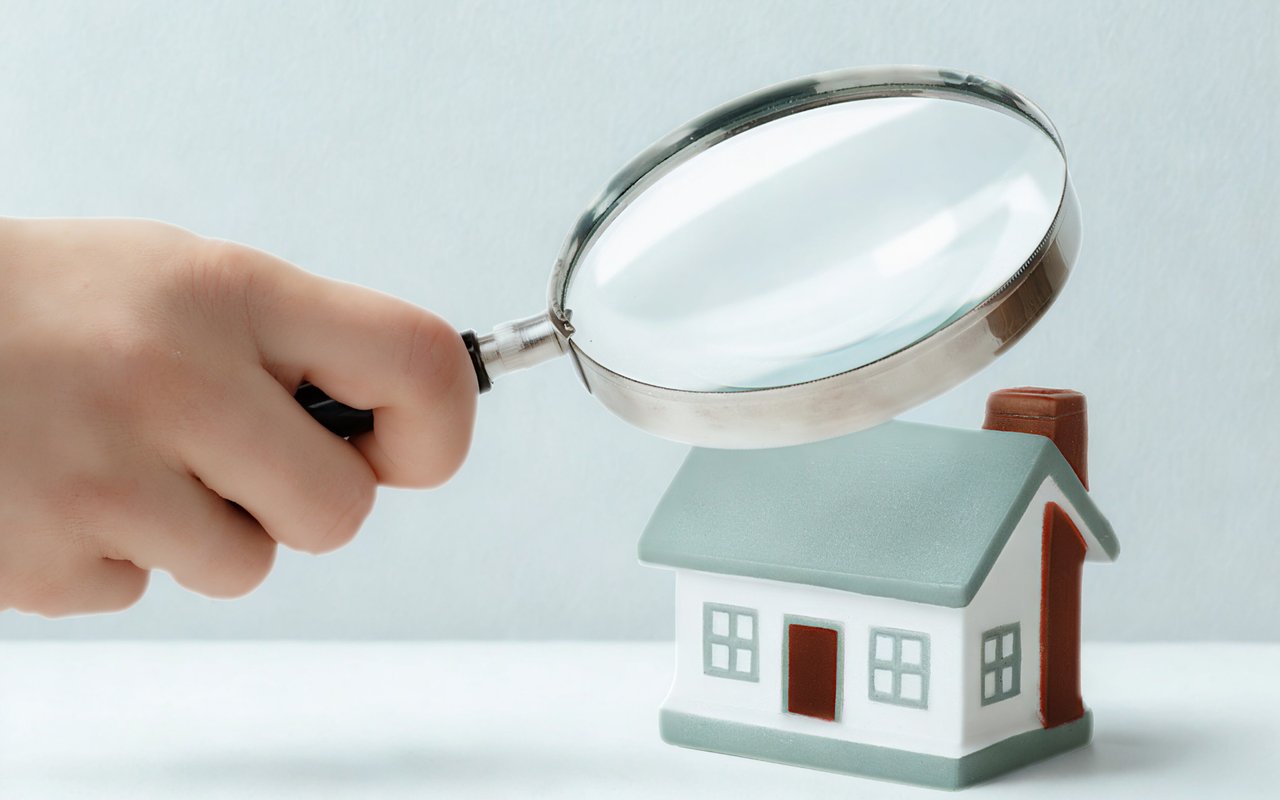
Before you close on a home in Lubbock, Brownfield, or anywhere across West Texas, here's exactly what a home inspector looks at and why it matters for your investment.
Home buying
Price matters, but what comes with it matters more.
Homes for sale
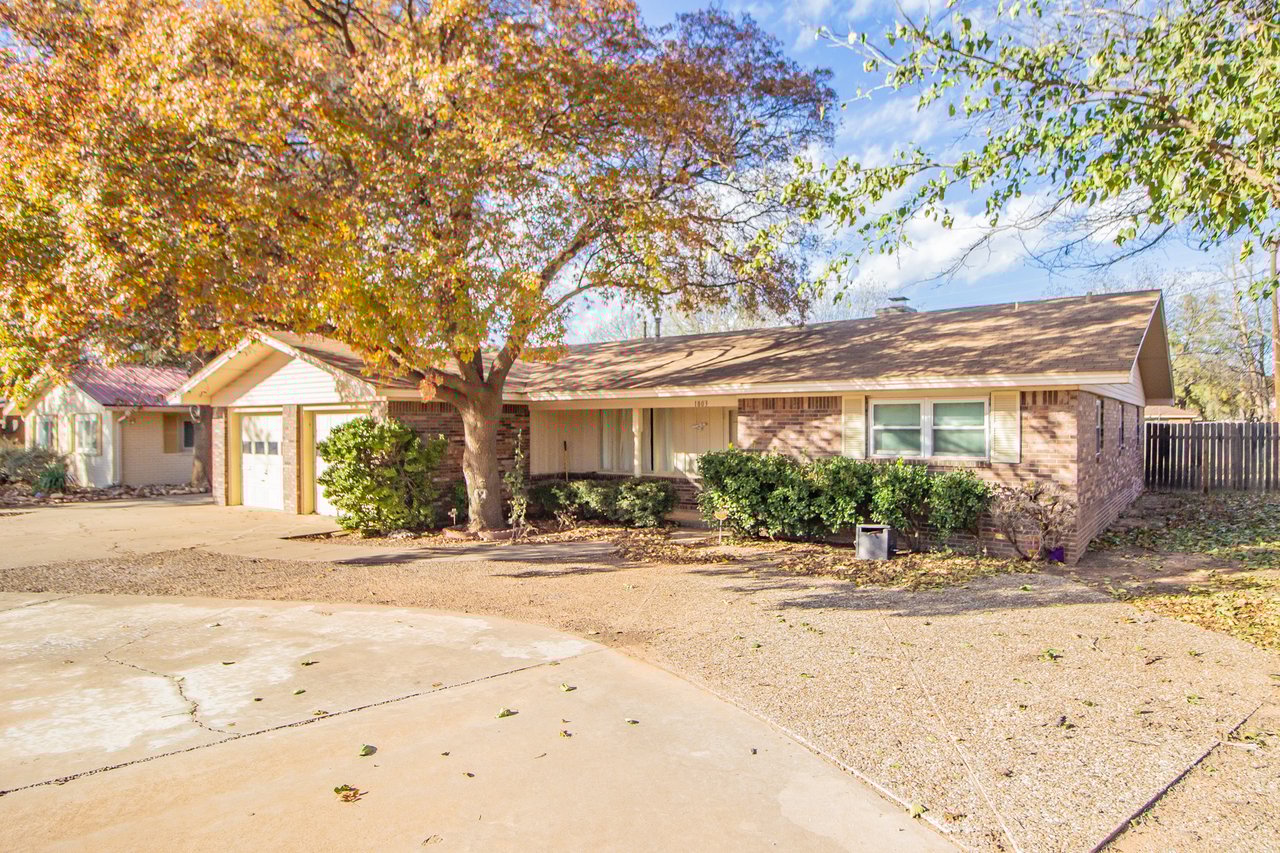
Circle Drive, Walk-In Closets in Every Bedroom, and Updates That Matter

Home buying
What Actually Matters Before You Start Looking
Home buying
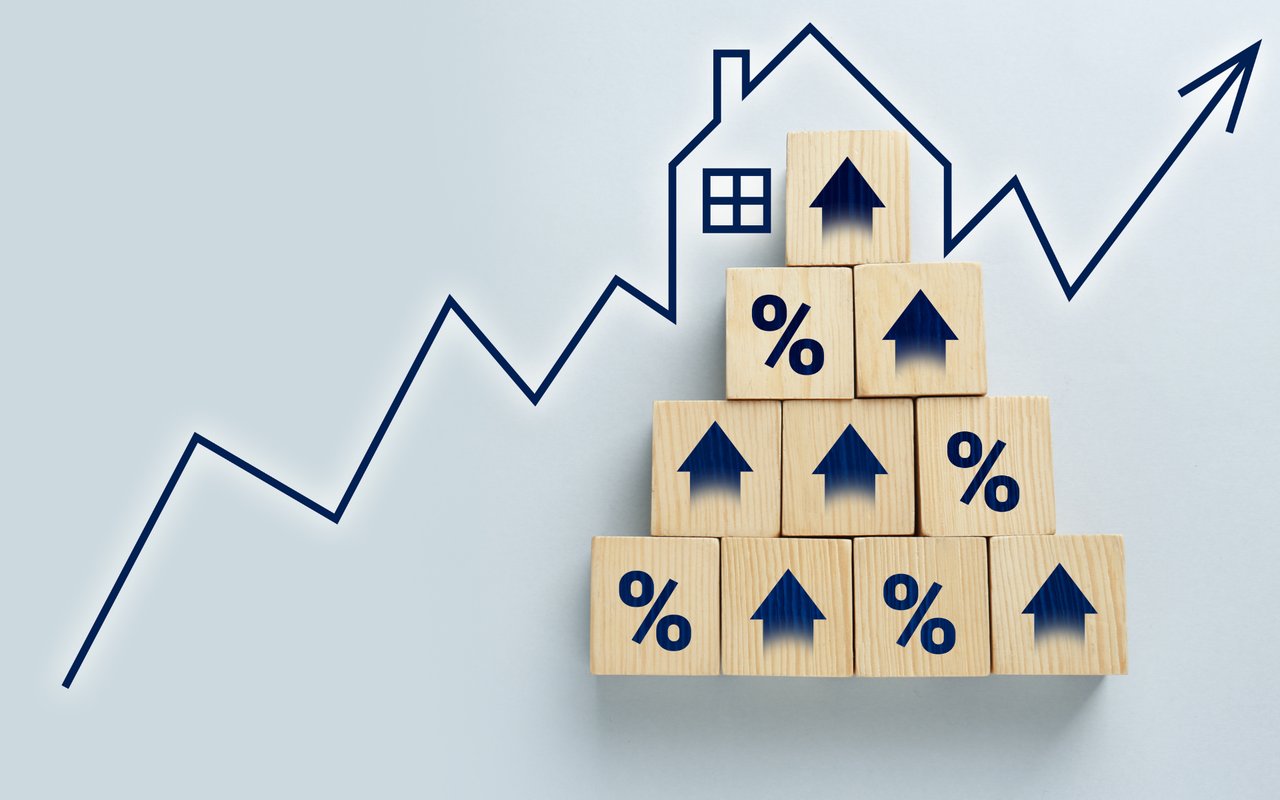
Here’s when a seller-paid rate buydown boosts your net—and when it’s just giving away money in the Lubbock market.
Homes for sale
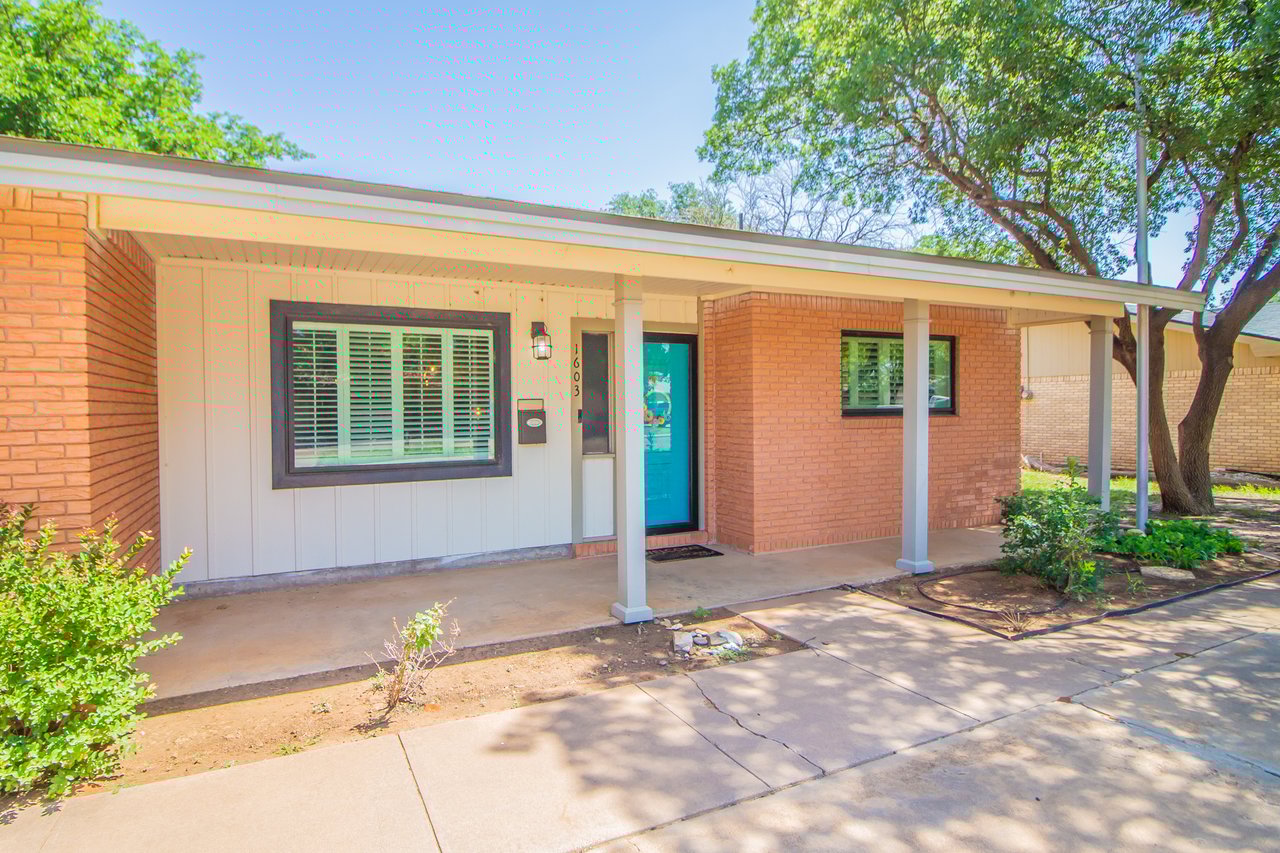
More space than you expect, and not just where you see it at first glance.

No two transactions are the same—and that’s exactly why strategy matters.
Homes for sale
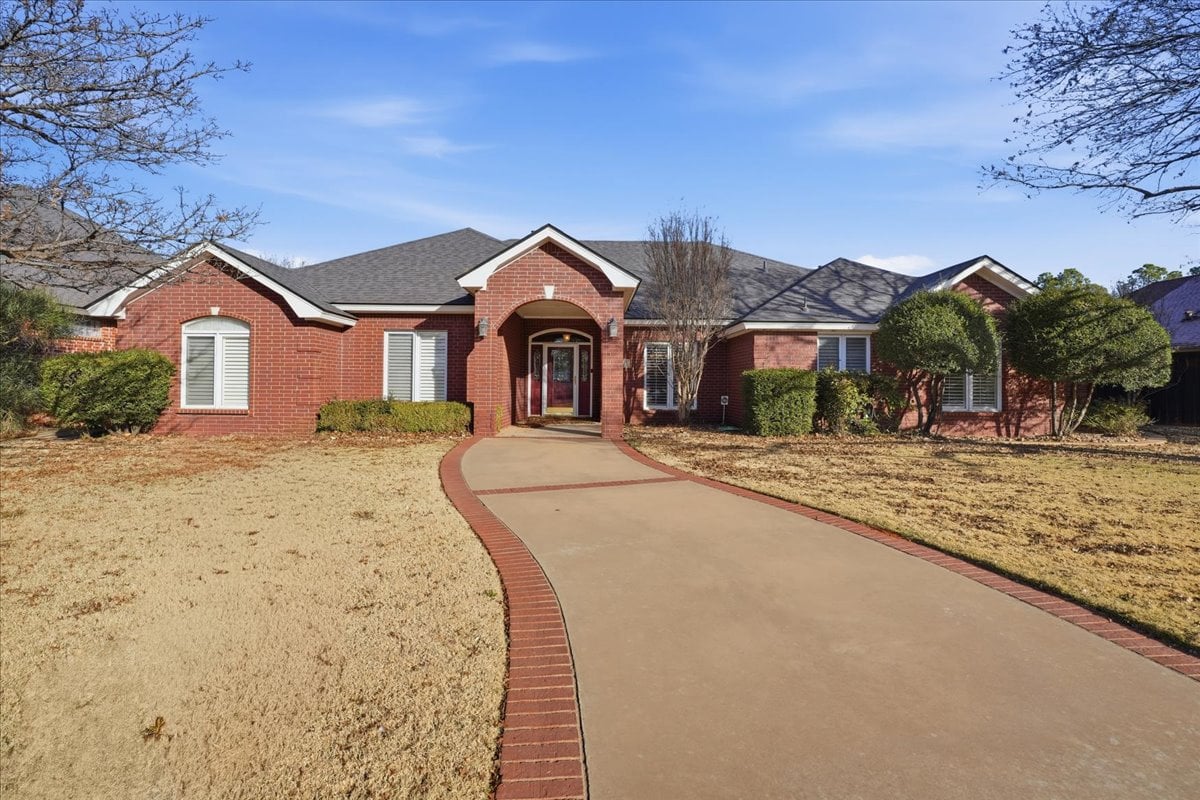
Closet Space That Might Ruin Other Houses for You

Home buying
Price is only part of the story—what you don’t look at can cost you later.
Get assistance in determining current property value, crafting a competitive offer, writing and negotiating a contract, and much more. Contact me today.
TESS HERNANDEZ
6901 Quaker Ave Ste 100 Lubbock, TX 79413