
What Does a Home Inspection Cover? A Complete Guide for Lubbock and West Texas Buyers
Buying a home is one of the biggest financial decisions you'll ever make, and in West Texas markets like Lubbock and Brownfield, the process moves fast. One step you should never skip, no matter how much you love the property, is the home inspection. But what does a home inspection actually cover? And why should it matter to you as a buyer?
I always strongly recommend a thorough home inspection before closing. Here's a complete breakdown of what's included, what inspectors look for, and what you should pay close attention to when buying a home in our region.
A home inspection is a professional, visual assessment of a property's condition conducted by a licensed home inspector. It is not a pass/fail test — it's a detailed report of the home's current state, identifying existing issues and potential concerns that could affect your safety, comfort, or wallet down the road. Inspections typically take two to four hours depending on the size and age of the home.
In Texas, home inspectors are licensed through the Texas Real Estate Commission (TREC), which sets strict standards for what must be evaluated in every inspection report.
The inspector will examine the foundation, walls, ceilings, floors, and roof structure. In West Texas, soil conditions and the region's extreme temperature swings can be tough on foundations. Inspectors look for signs of settling, cracking, or shifting that could signal costly structural problems. The roof is also closely evaluated for missing shingles, damaged flashing, wear around vents and chimneys, and signs of prior repairs.
Given the intense Lubbock sun and the occasional severe hailstorm, roof condition is a major focus in our area. Inspectors assess the roofing material's age and remaining lifespan, ventilation in the attic, insulation levels, and any signs of water intrusion or pest activity. A damaged or aging roof can be a significant negotiating point when making an offer.
The electrical inspection covers the main service panel, wiring, outlets, switches, and visible components throughout the home. Inspectors look for outdated wiring (such as aluminum wiring or Federal Pacific panels), improper grounding, double-tapped breakers, and any safety hazards. In older Lubbock neighborhoods, electrical systems may not be up to modern code, so this section of the report often generates useful negotiation leverage for buyers.
Inspectors check water pressure, supply lines, drains, water heaters, and all visible pipes. They look for leaks, corrosion, improper slopes on drain lines, and signs of prior water damage. In West Texas, hard water is common, and mineral buildup can affect fixtures and water heaters over time. The inspector will also check the water heater's age and condition, including whether it's properly secured and vented.
Heating, ventilation, and air conditioning systems get a thorough look. Given that Lubbock summers regularly exceed 100°F, a functioning and efficient AC system is non-negotiable for most buyers. Inspectors evaluate the age and condition of the system, filter condition, thermostat function, ductwork visible from accessible areas, and whether the system is heating and cooling properly at the time of inspection. An HVAC system nearing the end of its lifespan is something your agent can help you factor into the offer price.
Proper insulation and ventilation are especially important in a climate like West Texas, where energy bills can climb quickly without them. Inspectors assess insulation levels in the attic and, where accessible, in walls and crawl spaces. Adequate ventilation prevents moisture buildup, which can lead to mold growth and structural damage over time.
Every accessible door and window is tested for proper operation. Inspectors note sticking doors (which can indicate foundation movement), broken seals in double-pane windows, damaged or missing weatherstripping, and any visible signs of water damage or staining on ceilings and walls. Interior walls and floors are also evaluated for signs of settling, moisture, or deferred maintenance.
The home's exterior is evaluated for siding condition, caulking, paint, grading (the slope of the ground away from the foundation), and drainage patterns. Poor drainage is a common finding in our area and can contribute to foundation movement and moisture problems in crawl spaces or basements if present. Driveways, walkways, and decks are also assessed.
It's important to know that a general home inspection has limits. Inspectors do not typically assess for mold, asbestos, radon, or pests , those require separate specialized inspections. Underground components like sewer lines are also not included unless you order a separate sewer scope.
Once you receive the inspection report, don't panic at the length of it every home, even new construction, will have findings. I will help you identify which items are serious versus routine maintenance issues, and help you decide whether to request repairs, negotiate a credit, or accept the home as-is. In a competitive Lubbock market, knowing how to respond strategically to an inspection report can make a real difference.
I'm here to guide you through every step of the home buying process, from your first showing in Lubbock or Brownfield to the moment you get your keys. I work with trusted local inspectors and make sure our clients feel informed and confident before they ever reach the closing table.

The person selling you the home and the person representing that seller in the transaction are the same person. Here is what Texas law requires in this situation, what… Read more

You just found out the listing agent is the seller's mom. Can they do that? Does it have to be disclosed? What does it mean for your offer? Here is what Texas law actu… Read more

You had a showing scheduled. The listing agent called and said they already accepted a contract. Nobody gave you a chance to move up the timeline, make a competing off… Read more

Going active on the MLS while telling buyers they cannot see the home for a week sounds like a strategy. In most cases it is the opposite. Here is what actually happen… Read more

They loved it but picked another house. The kitchen was not their style. No feedback at all. If that is all you are hearing after showings you are not alone and there … Read more

A friend had a nightmare with the same builder. You love the home. Here is how to evaluate that situation honestly, what questions to ask, and how to protect yourself … Read more
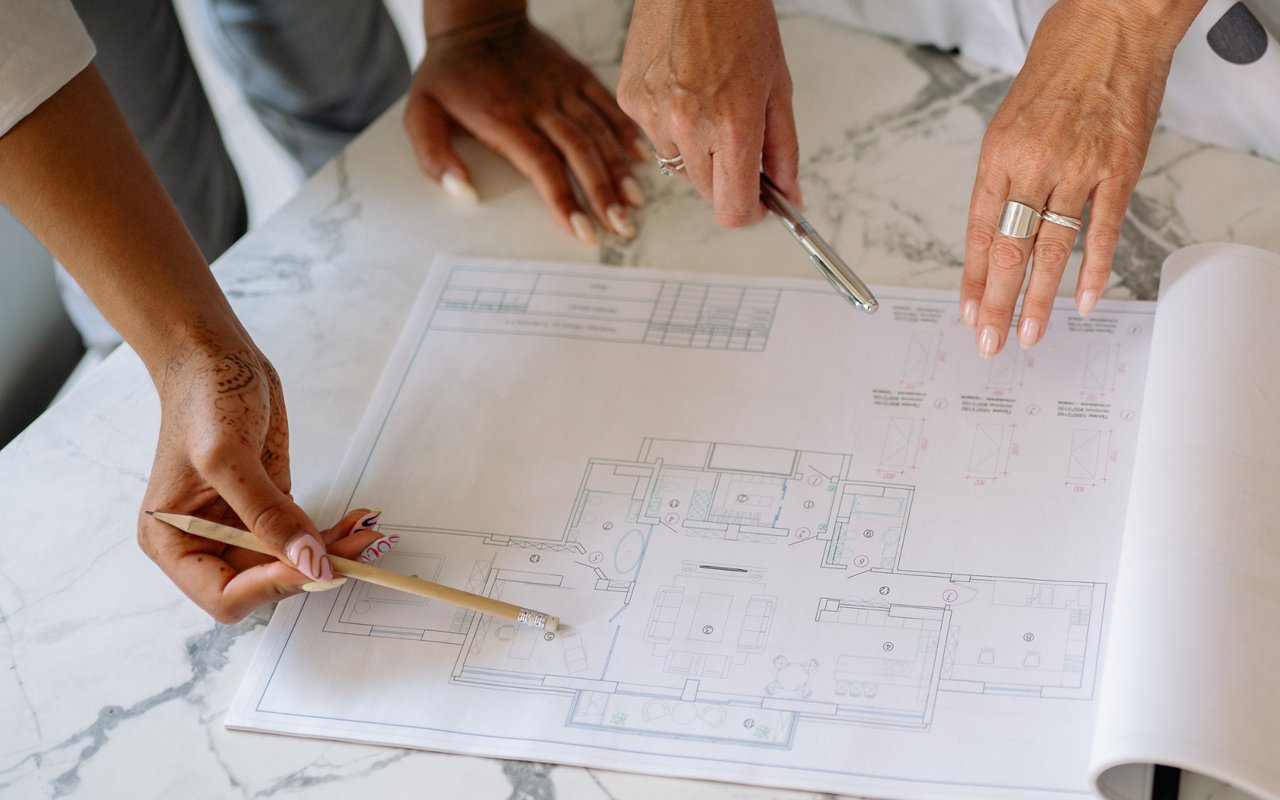
You found a spec home that is almost perfect but you want different flooring, an extra outlet in the garage, or a different cabinet color. Here is exactly how much fle… Read more
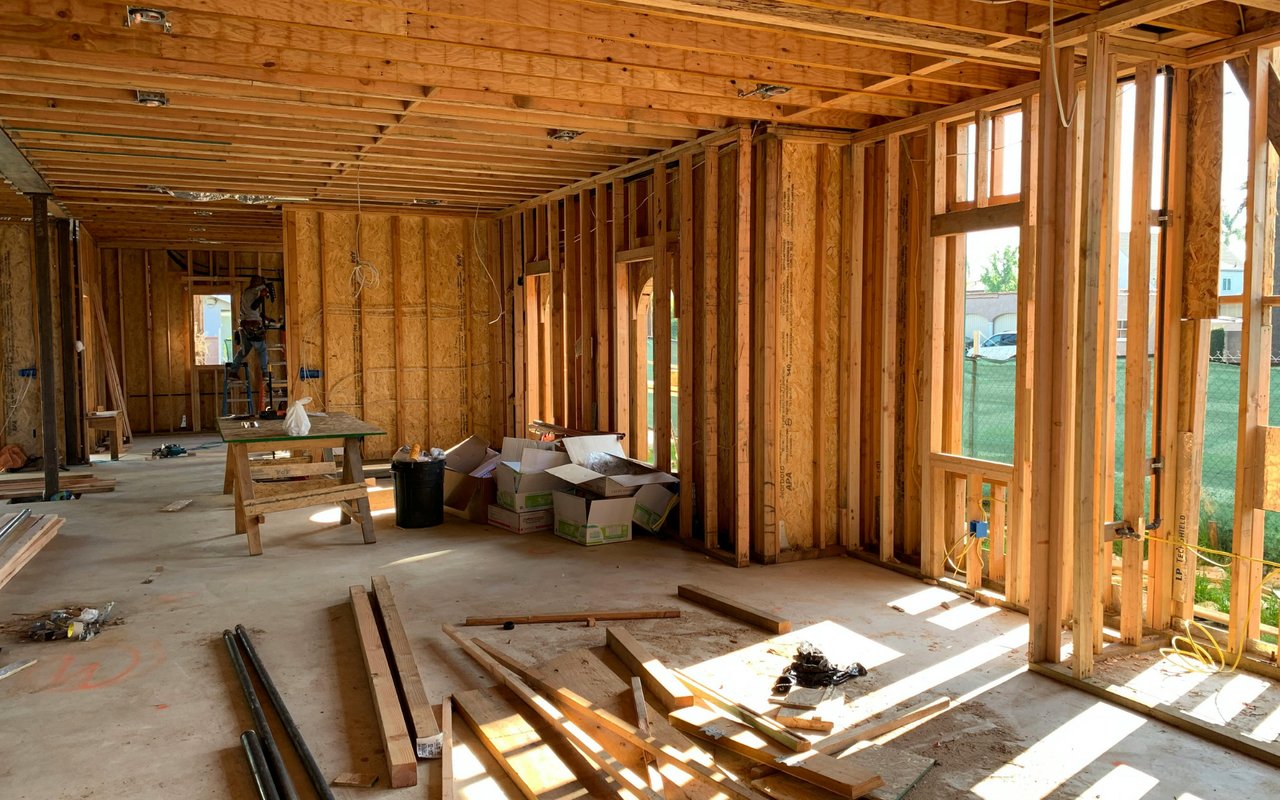
You walked into a new construction community, saw the price sheet, and immediately wondered why there is no room to negotiate the way you would with a resale home. Her… Read more
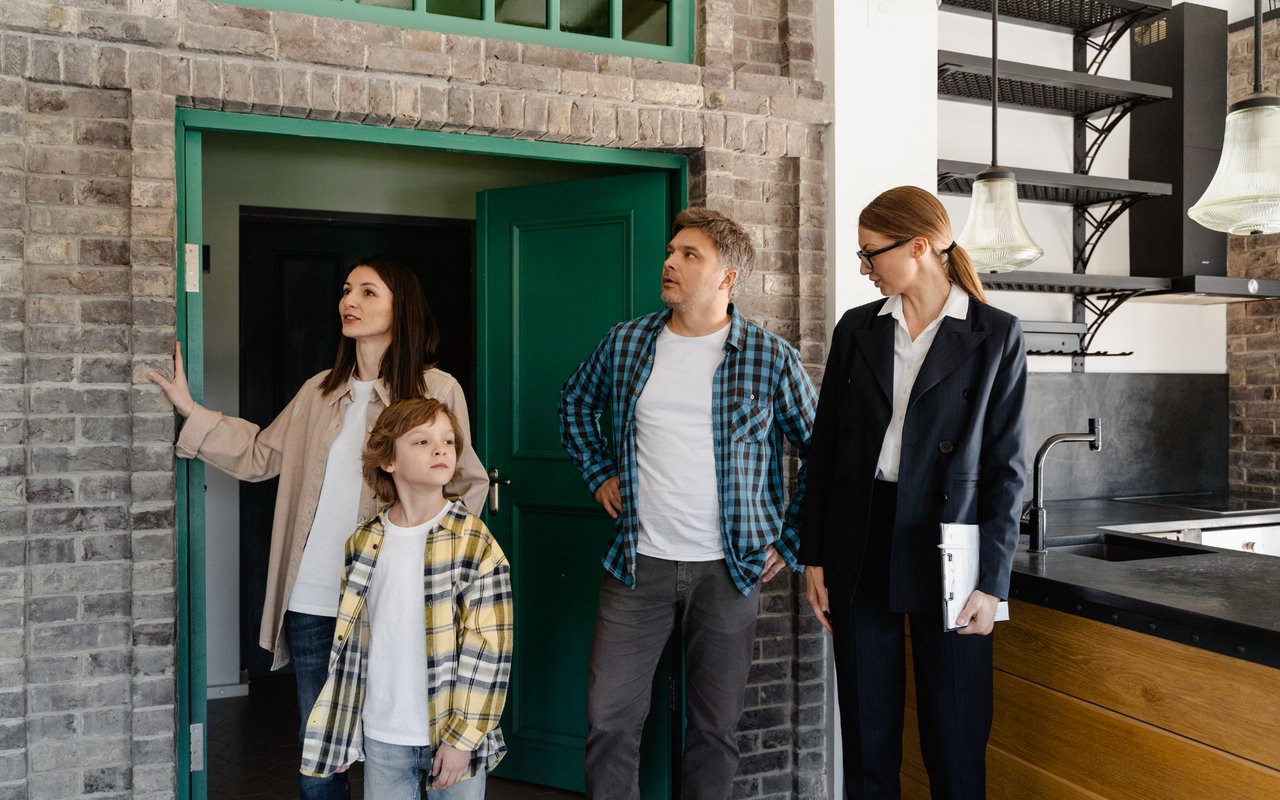
You came home to find every light in the house blazing, the back door unlocked, and the garage door wide open. Nobody stayed behind on purpose. They just left without … Read more
Get assistance in determining current property value, crafting a competitive offer, writing and negotiating a contract, and much more. Contact me today.
TESS HERNANDEZ
6901 Quaker Ave Ste 100 Lubbock, TX 79413