
Why New Construction Taxes Often Increase After the First Year in Lubbock County
If you’re shopping for a new construction home in Lubbock County, you may notice something surprising: the first year’s property taxes often look incredibly low. Many buyers are thrilled…until they realize those numbers are temporary.
This tax jump isn’t a mistake, and it isn’t the builder’s doing. It’s simply how Texas law and appraisal timelines work—especially in rapidly growing areas like Cooper ISD, Frenship ISD, and the expanding Upland corridor.
Here’s exactly why it happens and how to plan for it.
When a home is under construction or recently completed, the appraisal district values the home based on the portion of the year that the home was actually finished.
That means:
If the home wasn’t complete on January 1
If construction was only partially finished
Or if the appraisal district didn’t re-evaluate the improvement in time
…the tax bill reflects only the land value or a partial improvement value.
This often results in a first-year bill that’s a fraction of what the home will be taxed at once the building is complete.
The Lubbock Central Appraisal District updates valuations every spring.
So if your home was completed after January 1 or finished mid-year, then the next tax cycle is the first time the district will:
Assess the full improvement value
Apply the correct square footage
Update the property’s total taxable value
That’s when the jump occurs—and it’s normal.
New construction-heavy zones see the biggest first-year discrepancies, such as:
Lubbock-Cooper ISD (south and southeast growth)
Frenship ISD (Upland, Milwaukee, Alcove, and west Lubbock)
Wolfforth (where values shift rapidly year over year)
If the land was previously valued low and the home wasn’t complete on January 1, the first-year bill can look extremely attractive…until it adjusts the following year.
A smart buyer doesn’t fear the increase—they expect it. Here’s how to stay ahead:
Your lender should estimate taxes based on the completed home, not the last land-only bill.
Cooper and Frenship have higher school rates than LISD, so those jumps are more noticeable.
Once applied, the 10% cap helps protect your taxable value from escalating too fast.
Builders don’t control the appraisal district.
A first-year tax bill on new construction can be misleading, but the increase that follows is completely normal and predictable. When the Lubbock Central Appraisal District updates the full value of your home, your taxes simply reflect the finished property—not a penalty or surprise fee.
Understanding this ahead of time makes you a more prepared buyer, protects your budget, and keeps you from feeling blindsided your second year in the home.
If you want help estimating what your completed home’s taxes will look like, I run these calculations every day for clients and can break down the numbers clearly.

The person selling you the home and the person representing that seller in the transaction are the same person. Here is what Texas law requires in this situation, what… Read more

You just found out the listing agent is the seller's mom. Can they do that? Does it have to be disclosed? What does it mean for your offer? Here is what Texas law actu… Read more

You had a showing scheduled. The listing agent called and said they already accepted a contract. Nobody gave you a chance to move up the timeline, make a competing off… Read more

Going active on the MLS while telling buyers they cannot see the home for a week sounds like a strategy. In most cases it is the opposite. Here is what actually happen… Read more

They loved it but picked another house. The kitchen was not their style. No feedback at all. If that is all you are hearing after showings you are not alone and there … Read more

A friend had a nightmare with the same builder. You love the home. Here is how to evaluate that situation honestly, what questions to ask, and how to protect yourself … Read more
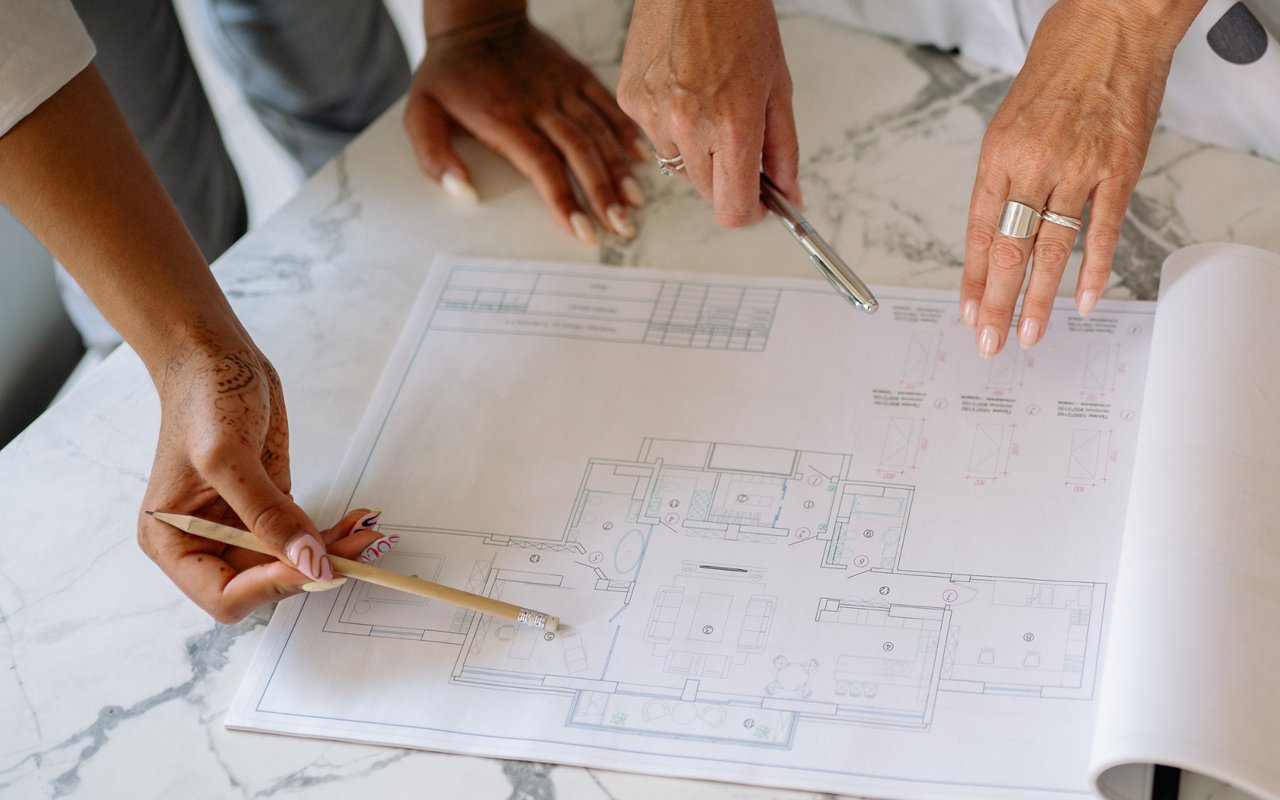
You found a spec home that is almost perfect but you want different flooring, an extra outlet in the garage, or a different cabinet color. Here is exactly how much fle… Read more
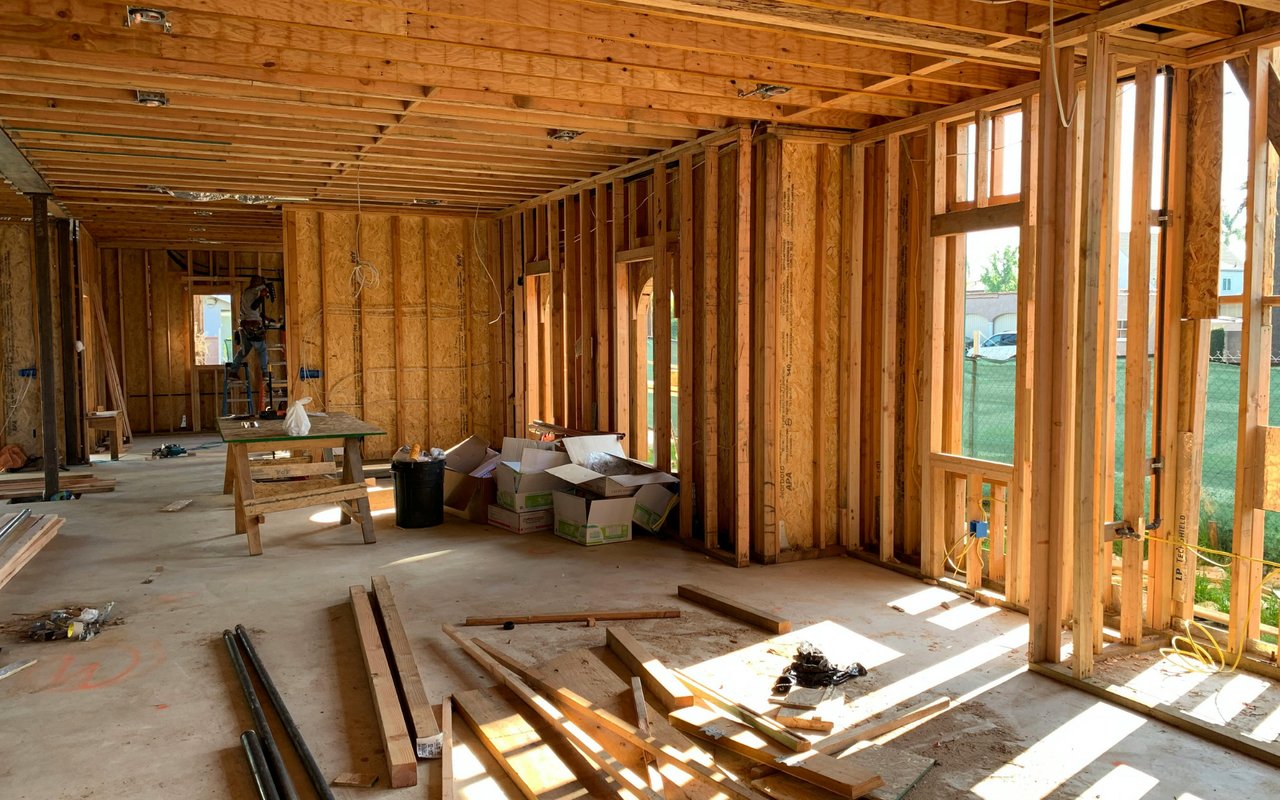
You walked into a new construction community, saw the price sheet, and immediately wondered why there is no room to negotiate the way you would with a resale home. Her… Read more

You came home to find every light in the house blazing, the back door unlocked, and the garage door wide open. Nobody stayed behind on purpose. They just left without … Read more
Get assistance in determining current property value, crafting a competitive offer, writing and negotiating a contract, and much more. Contact me today.
TESS HERNANDEZ
6901 Quaker Ave Ste 100 Lubbock, TX 79413