
What’s the Difference Between a Custom and a Production Builder?
If you’re exploring new construction in Lubbock, you’ll hear two terms almost immediately: custom builder and production builder. They sound similar, but they operate in completely different worlds.
Understanding the difference helps you avoid frustration—and keeps your expectations realistic.
1. Production Builders — Efficiency Over Individuality
Production builders focus on volume. Think of companies building multiple homes at once in planned neighborhoods like Escondido Ranch, Bushland Springs, or Hatton Place.
They offer a handful of floor plans with limited customization options. You can choose finishes, colors, and upgrades—but walls and layouts usually stay fixed.
The upside?
✅ Faster timelines (often 5–7 months).
✅ Predictable pricing.
✅ Streamlined financing with preferred lenders.
The trade-off is flexibility. You get convenience and cost savings, but not full creative control.
2. Custom Builders — Personalization Over Predictability
Custom builders start from scratch—your plan, your lot, your vision. They often build fewer homes per year and handle more hands-on projects.
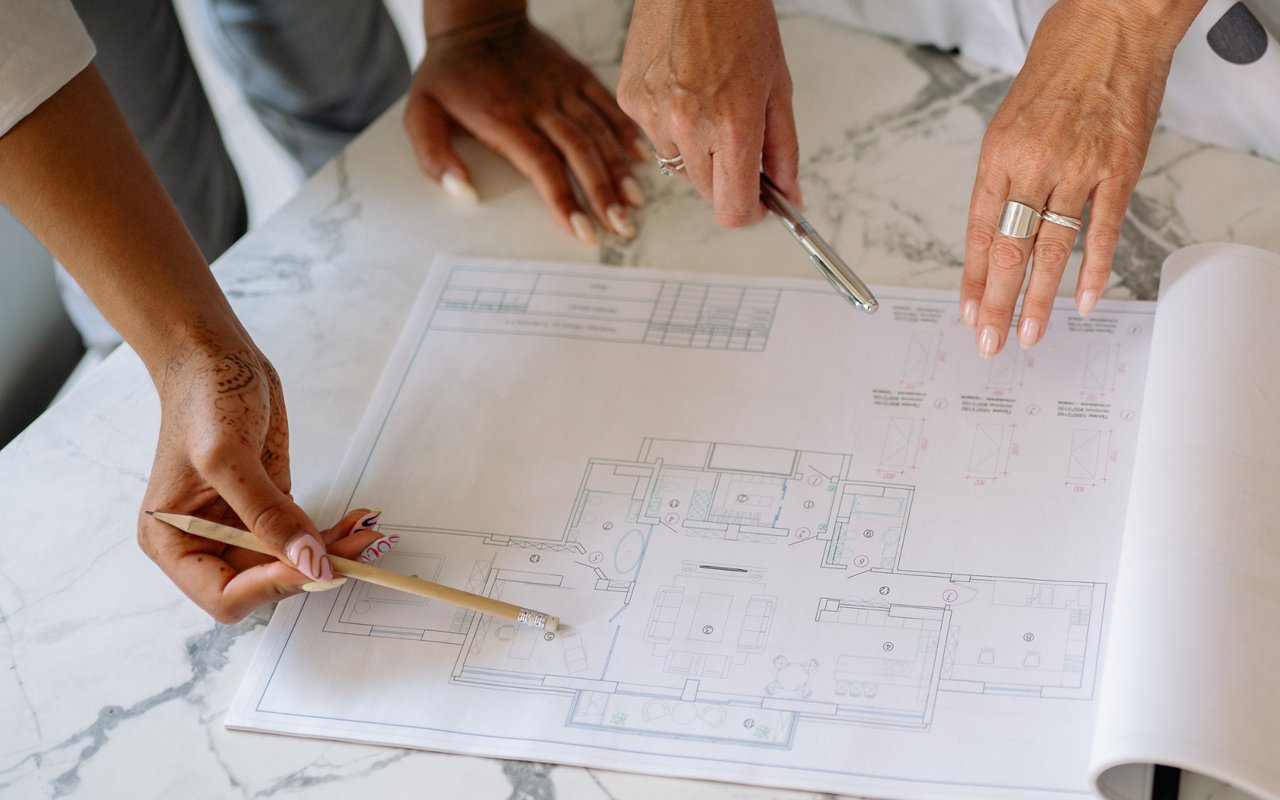
You’ll work directly with a designer or architect to shape your space from the foundation up. That means unique layouts, premium materials, and personal touches you won’t see next door.
The upside?
✅ Total design freedom.
✅ Higher-quality materials and craftsmanship.
✅ A one-of-a-kind result tailored to your lifestyle.
The trade-off?
⚠️ Longer build times (8–12 months).
⚠️ Greater involvement required.
⚠️ Higher costs for customization and design changes.
3. Which Is Right for You?
If you want move-in convenience and predictable pricing, a production builder might be your match.
If you crave creative control, premium finishes, and a “forever home” feel, custom is the way to go.
Many of my clients start out thinking they want a fully custom home—then realize a semi-custom production builder meets their needs with fewer headaches. Others lean all-in on a custom build once they see the difference in detail and personalization.
In Lubbock’s evolving market, both options are strong—it’s about matching your vision to your budget and your patience.
And whichever you choose, having a Realtor who knows the builder landscape keeps you protected from day one to done.
— Insights from Tess Hernandez, Realtor | Reside Real Estate

The person selling you the home and the person representing that seller in the transaction are the same person. Here is what Texas law requires in this situation, what… Read more

You just found out the listing agent is the seller's mom. Can they do that? Does it have to be disclosed? What does it mean for your offer? Here is what Texas law actu… Read more

You had a showing scheduled. The listing agent called and said they already accepted a contract. Nobody gave you a chance to move up the timeline, make a competing off… Read more

Going active on the MLS while telling buyers they cannot see the home for a week sounds like a strategy. In most cases it is the opposite. Here is what actually happen… Read more

They loved it but picked another house. The kitchen was not their style. No feedback at all. If that is all you are hearing after showings you are not alone and there … Read more

A friend had a nightmare with the same builder. You love the home. Here is how to evaluate that situation honestly, what questions to ask, and how to protect yourself … Read more
You found a spec home that is almost perfect but you want different flooring, an extra outlet in the garage, or a different cabinet color. Here is exactly how much fle… Read more
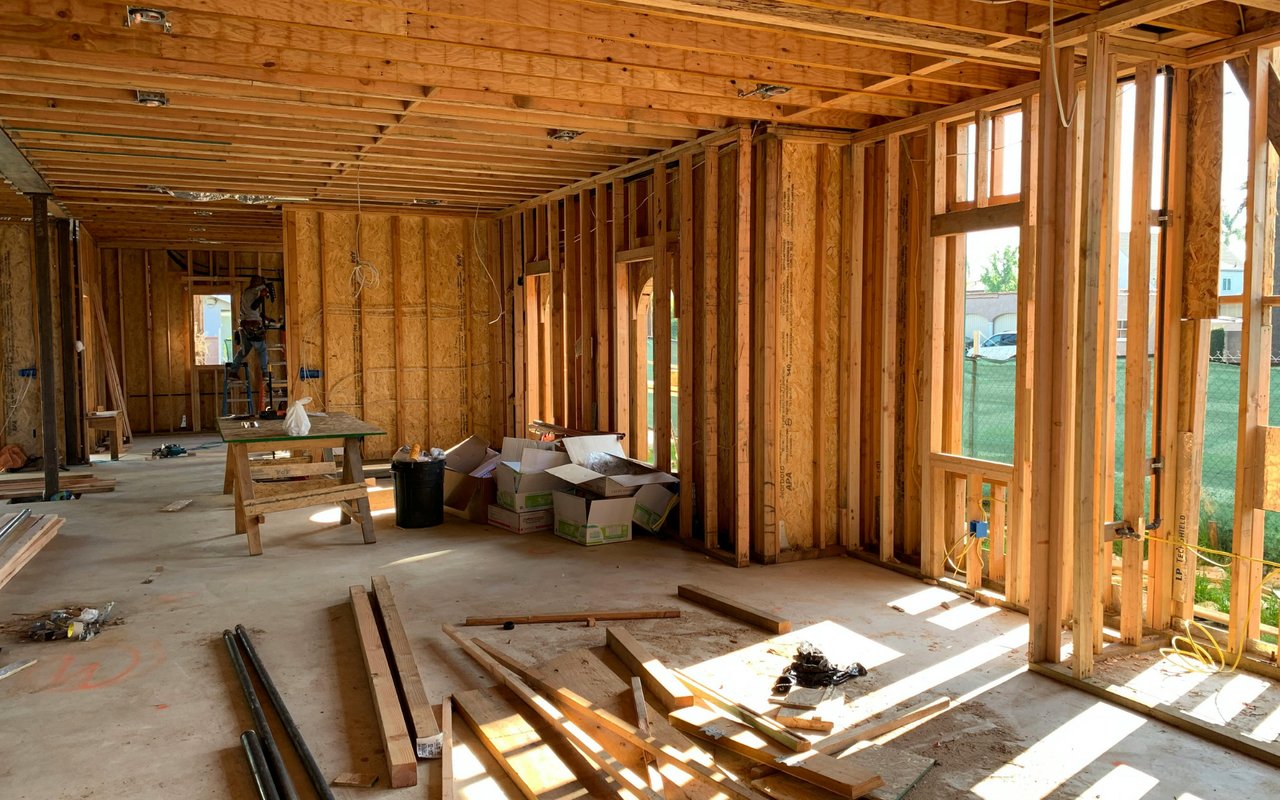
You walked into a new construction community, saw the price sheet, and immediately wondered why there is no room to negotiate the way you would with a resale home. Her… Read more

You came home to find every light in the house blazing, the back door unlocked, and the garage door wide open. Nobody stayed behind on purpose. They just left without … Read more
Get assistance in determining current property value, crafting a competitive offer, writing and negotiating a contract, and much more. Contact me today.
TESS HERNANDEZ
6901 Quaker Ave Ste 100 Lubbock, TX 79413