
What Should I Look For During My Final Walkthrough?
The final walkthrough of your new construction home isn’t a formality—it’s your opportunity to make sure everything you paid for is actually delivered.
Builders in Lubbock do hundreds of closings a year, and small details can slip through the cracks. A smart walkthrough can catch them before you’re the one paying to fix them.
Here’s what to focus on before you grab the keys.
1. Verify All Agreed-Upon Features
Start with your contract and selection sheet. Walk room by room to ensure that every finish, fixture, and upgrade matches what you selected.
If you paid for quartz countertops, you shouldn’t find laminate.
If the fridge or blinds were included in the purchase, they should already be installed—or noted for installation before closing.
2. Check Function, Not Just Appearance
Run water in every faucet, flush all toilets, and test every light switch and outlet.
Open and close doors, drawers, and windows to check alignment.
Don’t rush through—builders will fix items you note now, but not after you sign.
3. Inspect Surfaces Closely
Walls, ceilings, flooring, and trim should be free from damage, paint drips, or nail pops.
Look at corners, grout lines, and caulking for consistency. These aren’t minor details—they reveal the overall build quality.
4. Test Major Systems
Ask for the HVAC, water heater, and appliance manuals (and warranties).
Run the A/C and heat cycles, even briefly, to ensure proper function.
Check that your thermostat, garage door openers, and any smart home systems are synced and working.
5. Walk the Exterior
Inspect gutters, grading, fencing, and exterior paint.
Make sure landscaping and sprinklers (if included) are installed and functioning. Improper grading can cause water to pool near the foundation—a fix you don’t want to fund later.
6. Document Everything
Use your phone to take photos and notes of every issue, even small ones. The builder will use this list to create a punch list for final repairs.
You’ll sign off only when those are complete—or when the builder agrees in writing to finish them after closing.
When I walk clients through their final inspection, I act as an extra set of eyes—focusing on the small things that make a big difference over time.
Because once you sign the closing papers, that “new home smell” shouldn’t come with unfinished business.
— Insights from Tess Hernandez, Realtor | Reside Real Estate

Going under contract only to have the deal fall apart over financing is one of the most frustrating experiences a seller can have. Here is how it happens, what you are… Read more
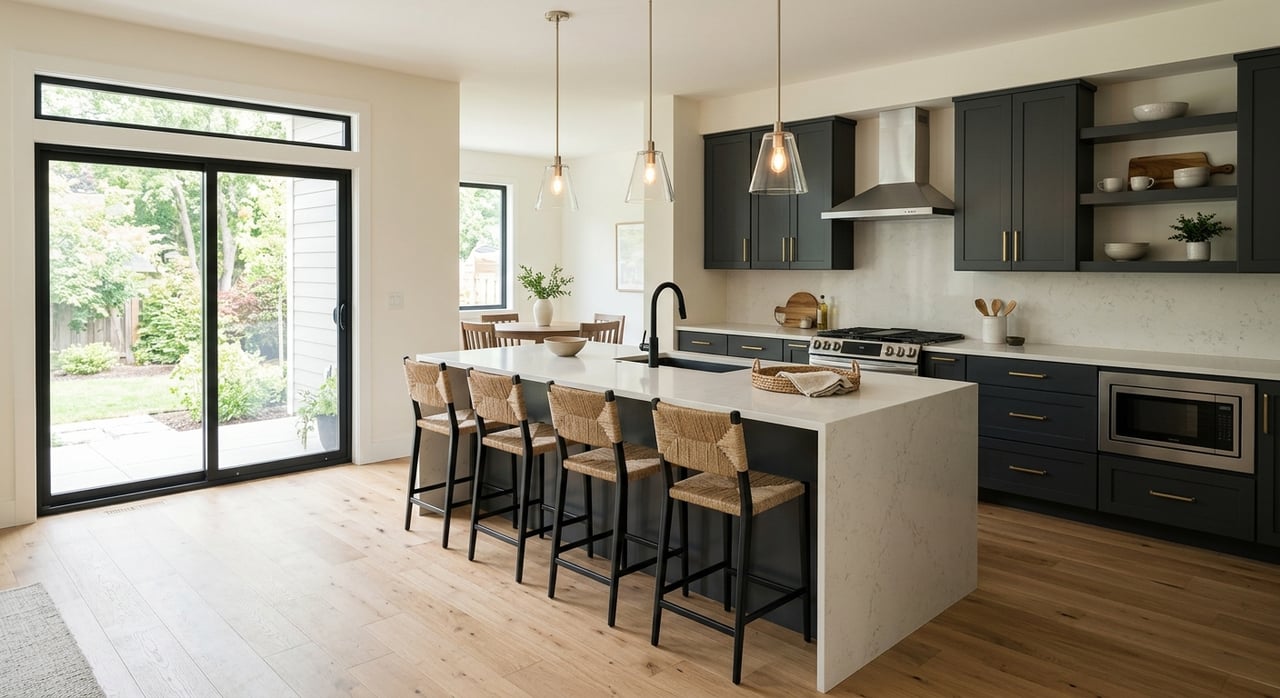

A lot of sellers feel pressure the moment an offer comes in, like they are obligated to respond in a certain way or accept something they are not comfortable with. Her… Read more

A lowball offer is not necessarily a dead end. Here is what it usually means, how to respond strategically, and how to tell the difference between a buyer who is negot… Read more

Overpricing is the single most expensive mistake a seller can make in the current Lubbock market. Here is exactly what it costs you, how the damage compounds over time… Read more
In a market with rising inventory and longer days on market, the fear of your home not selling is more real than it has been in years. Here is what actually causes a h… Read more

The fear of overpaying is one of the most active concerns buyers carry in any shifting market. Here is exactly how to evaluate whether a home is priced right in Lubboc… Read more

Long-term investment anxiety is one of the quietest fears buyers carry into a purchase. Here is how to research a neighborhood properly before you buy, what signals to… Read more

It is the fear people rarely say out loud but search privately. Here is an honest look at what actually happens, how to protect yourself before you ever close, and why… Read more
Get assistance in determining current property value, crafting a competitive offer, writing and negotiating a contract, and much more. Contact me today.
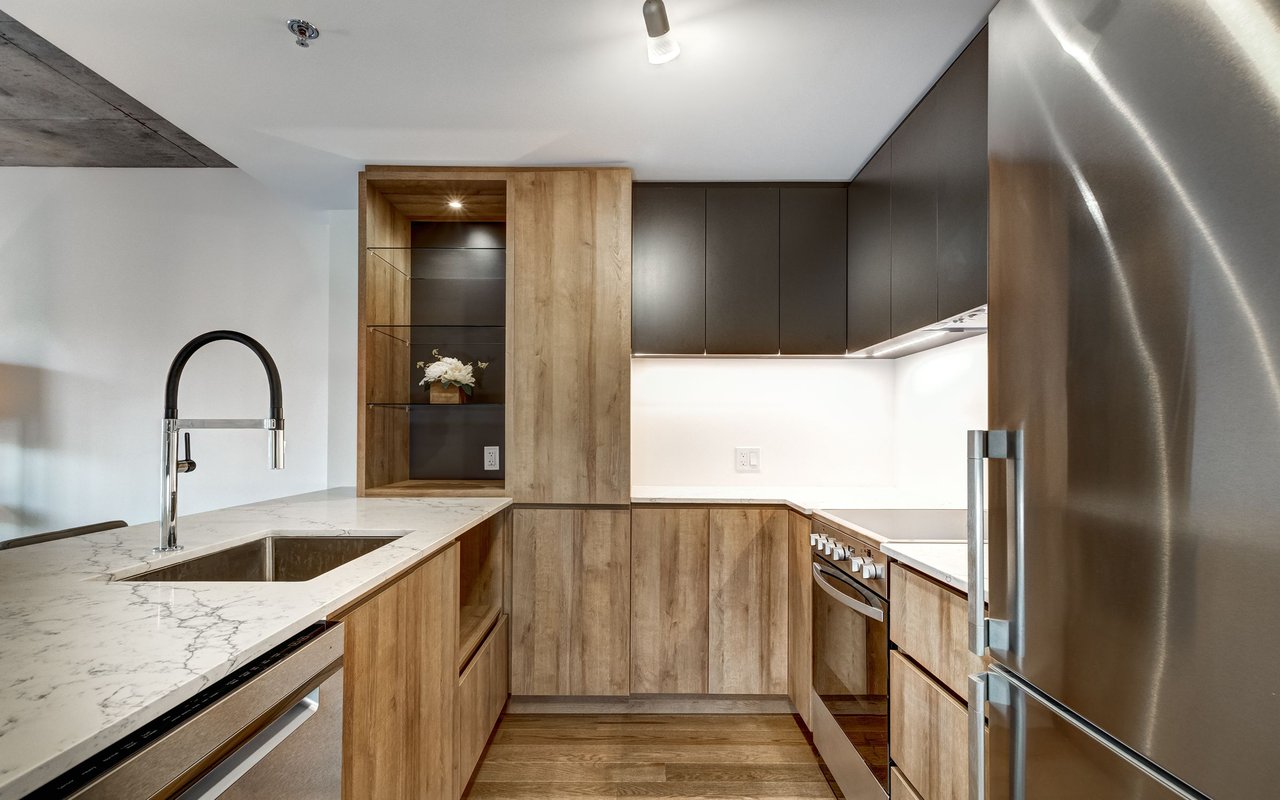
TESS HERNANDEZ
6901 Quaker Ave Ste 100 Lubbock, TX 79413