
What Is Escrow, and Why Do I Have One?
If you’ve ever looked at your mortgage statement and wondered, “What’s this escrow thing, and why am I paying into it?”—you’re not alone.
In Lubbock (and across most of Texas), an escrow account is a built-in part of homeownership that keeps your biggest recurring costs—property taxes and homeowners insurance—paid automatically and on time.
Here’s how it works:
Each month, your lender collects 1/12 of your annual property tax and insurance totals along with your mortgage payment. That money goes into a separate escrow account. When those bills come due—usually in November for taxes and around your insurance renewal date—your lender pays them directly for you.
It’s basically a savings account managed by your lender to make sure nothing slips through the cracks.
Here’s why it matters in Lubbock:
Property taxes here are significant (averaging 1.9%–2.6% of your home’s value), and insurance costs fluctuate due to hail and wind risks. Escrow smooths those large annual expenses into manageable monthly payments—so you’re never hit with a surprise bill.
Your lender performs an escrow analysis once a year to check that enough money is being collected. If taxes or insurance rates increase, your monthly payment may rise slightly to cover the difference. If they go down, you could see a refund.
Can you choose not to have escrow?
Sometimes. If you put down 20% or more and have a conventional loan, you can opt out and pay taxes and insurance yourself. But most buyers prefer the convenience and predictability of escrow.
It’s also worth noting that your earnest money deposit and option fee during the home purchase are held in escrow too—just temporarily, by the title company. In real estate, “escrow” always means a neutral third party is holding funds until conditions are met.
When I walk buyers through their closing statements, I always highlight the escrow section. Understanding how that account works prevents confusion later—and helps homeowners see where every dollar goes.
Think of escrow as the quiet assistant who handles the details so you don’t have to.
In short: you focus on living in your home, and escrow keeps the lights on—literally and financially.
— Insights from Tess Hernandez, Realtor | Reside Real Estate
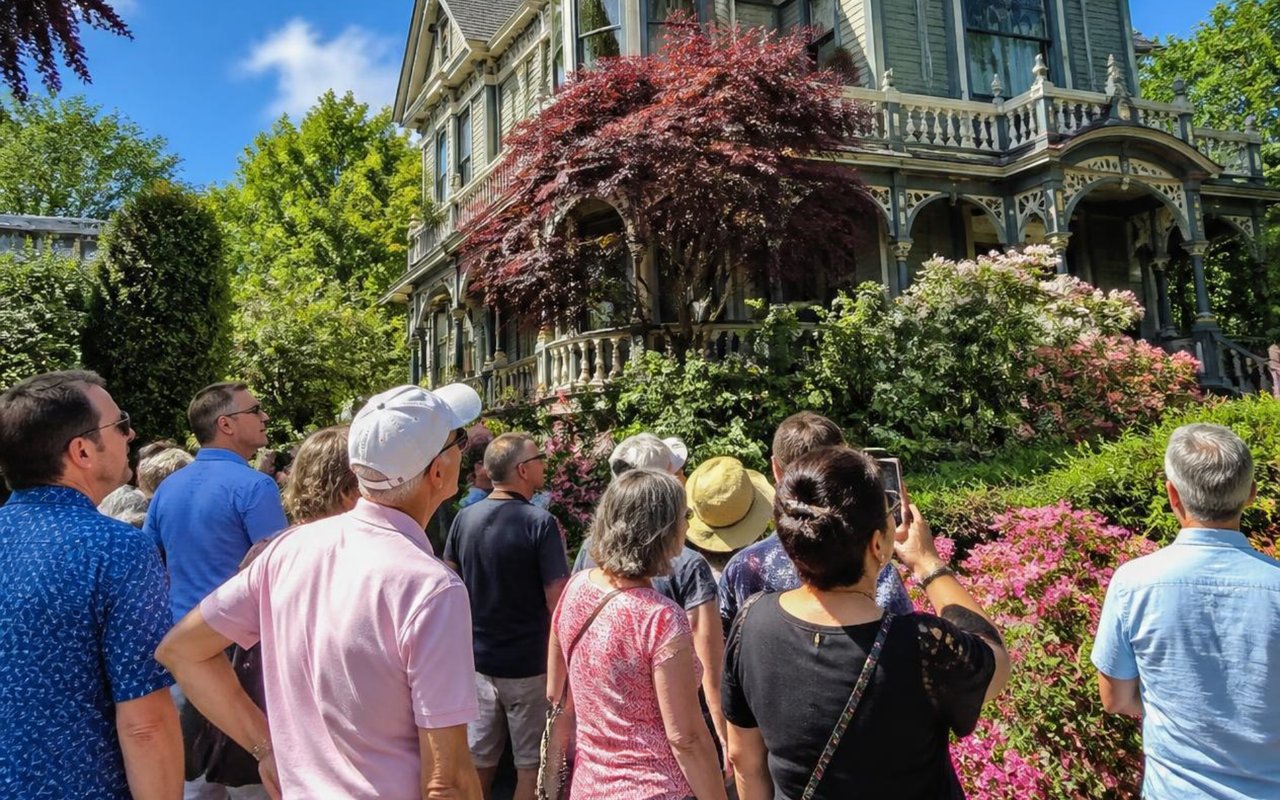
The showing was booked for two buyers. Eight people walked through the door. Grandma, the dog, three kids, a friend just tagging along, and two people nobody introduce… Read more

The showing was scheduled for two o'clock. They pulled up at one forty while you were still loading the dog in the car. Or they were still inside at three fifteen when… Read more

Bouncing on the beds. Opening the fridge. Running through the house in muddy shoes. You cleaned for hours and a buyer's kids undid it in fifteen minutes while the pare… Read more

The house next door has junk in the yard, a dog that barks through every showing, or an owner who seems personally invested in making your sale as difficult as possibl… Read more

Some of it is legitimate due diligence. Some of it is just snooping. Here is where the line actually is, what sellers should do to protect their personal items before … Read more

You left your home spotless for the showing and came home to find out a buyer spent the whole time out loud criticizing the paint color, the layout, and the kitchen. H… Read more

You have done everything right. Your side of the transaction is ready to close. And your entire timeline is being held hostage by a lender on the buyer's side who will… Read more

You have lived in your home for years and had no idea there was an old easement, an unresolved lien, or a boundary dispute buried in the title history. Now it is holdi… Read more
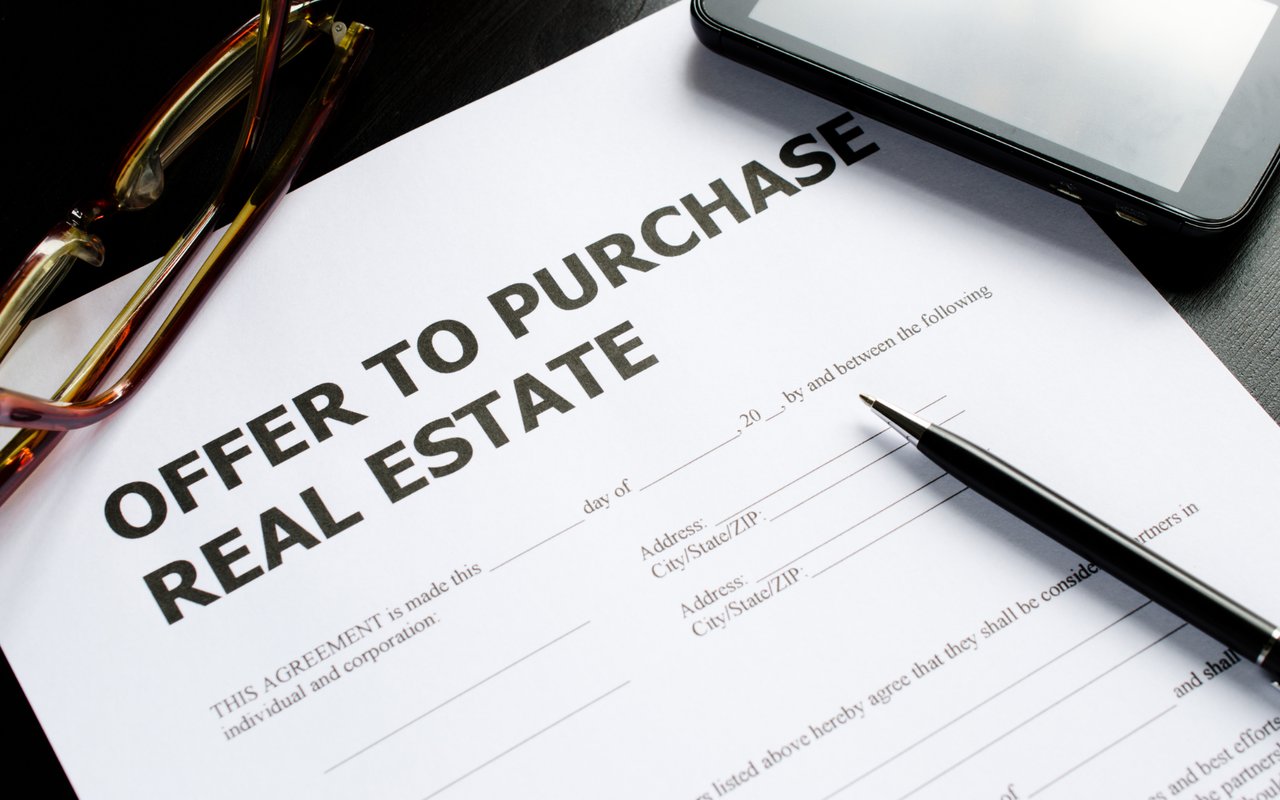
A comparable sale that is not actually comparable is one of the oldest negotiating tactics in real estate. Here is how to recognize it, how to counter it with real dat… Read more
Get assistance in determining current property value, crafting a competitive offer, writing and negotiating a contract, and much more. Contact me today.
TESS HERNANDEZ
6901 Quaker Ave Ste 100 Lubbock, TX 79413