
What If the Neighborhood Is Not What I Thought It Was After I Move In?
You fell in love with the house. The layout was right, the price worked, the updates were exactly what you wanted. You moved in and then something shifted. The street is louder than you expected. The neighbors are not what you pictured. The commute is worse than the map suggested. The things that did not show up during two Saturday afternoon showings are now part of your daily life. This scenario is more common than buyers expect and it is almost always the result of not doing enough due diligence on the neighborhood before closing, not on the house. Here is how to do that due diligence well.
The House Is Not the Only Thing You Are Buying
When you buy a home you are buying everything around it too. The street. The immediate neighbors. The traffic patterns at different times of day. The noise levels on a weeknight versus a Saturday afternoon. The proximity to things that matter to your daily life and things that do not. All of those elements are part of what your experience of that home will actually be and none of them show up in the listing photos or the square footage disclosure.
Buyers who do most of their neighborhood evaluation during a single showing on a weekend afternoon are making a significant decision with incomplete information. A neighborhood that feels quiet and pleasant on a Saturday at 2 PM can feel very different on a Tuesday evening at 6 PM during school pickup, or at midnight on a Friday, or during a summer afternoon when the whole street is active.
Visit at Different Times and on Different Days
Before you make an offer on a home you care about, drive through the neighborhood at different times. Go on a weekday morning during commute hours. Go on a weeknight around dinner time. Go on a Friday or Saturday evening. What you see and hear during those visits tells you far more about what living there will actually feel like than any amount of research from a screen can.
Pay attention to things that are easy to overlook during a showing. How much traffic moves through the street? Are there businesses or commercial properties nearby that generate noise or activity at certain hours? What do the neighboring properties look like in terms of maintenance and upkeep? Is there a school, park, or community facility nearby that creates predictable patterns of activity and noise? These are all things you can observe before you commit rather than discover after you have moved in.
Talk to the Neighbors
This one feels uncomfortable for a lot of buyers but it is one of the most valuable things you can do before closing. Knock on a door or two near the home you are considering and introduce yourself as someone who is thinking about buying in the neighborhood. Ask what they love about living there. Ask if there is anything they wish they had known before they moved in. Most neighbors are genuinely happy to share and the information you get from a five minute conversation is often more honest and more useful than anything you would find in a public records search.
Research What You Cannot See During a Showing
There are things about a neighborhood that require active research rather than just observation. Flood zone status is one of them. Lubbock has areas that are more prone to drainage issues and flooding after heavy rain and that information can affect both your insurance costs and your daily experience of the property. The city's flood zone maps and FEMA resources can tell you whether a specific address carries elevated flood risk before you commit.
Planned development or zoning changes in the surrounding area are worth researching as well. A vacant lot next door that is zoned commercial, a road expansion that is planned for the street behind the home, or a new development going in nearby can all affect the character of the neighborhood in ways that are not visible during a showing but are discoverable through the city's planning and zoning records. I help buyers I work with understand what is planned or permitted in the areas they are considering so that they are not surprised by construction or commercial activity that was already in the pipeline.
School District Boundaries Matter Even Without Kids
The school district a home is zoned to affects both the community character of the neighborhood and the long-term resale value of the property. In Lubbock, homes zoned to Frenship ISD and Lubbock Cooper ISD have historically commanded a premium and held their value better than comparable homes in other districts. Even buyers who do not have school-age children benefit from buying in a strong school district because the buyer pool for that home when they eventually sell will include families who specifically want to be in that district.
School district boundaries do not always follow obvious geographic lines. A home two streets over from one you are considering might be in a different district entirely. Verifying the specific district for any home you are seriously considering is a quick step that affects both your experience of the neighborhood and your long-term investment.
How I Help Buyers Evaluate Neighborhoods Before They Commit
Part of the value I bring to every buyer I work with in Lubbock is genuine local knowledge about how different parts of the city and the surrounding communities actually feel to live in. I know which streets have more traffic than you would expect from looking at a map. I know which neighborhoods have strong community character and active HOA standards and which ones are more laissez-faire. I know where the growth is happening and where it is not. And I can have an honest conversation about all of those factors before you fall in love with a specific house rather than after.
If you are searching for a home in Lubbock or West Texas and you want to make sure the neighborhood evaluation is as thorough as the house evaluation before you commit to anything, that is a core part of how I work with buyers. The house is important. Everything around it matters just as much for how you actually feel about the decision five years from now.
The Bottom Line
The neighborhood is not something you discover after you move in. It is something you research before you make an offer. Visit at different times of day. Talk to neighbors. Look into flood zones, planned development, and school district boundaries. Drive the commute at the actual time you would be driving it. And work with someone who knows this market well enough to tell you what the data and the map cannot. The house you fall in love with is only as good as the place it sits in and that place deserves the same level of scrutiny as every square foot of the property itself.

The person selling you the home and the person representing that seller in the transaction are the same person. Here is what Texas law requires in this situation, what… Read more

You just found out the listing agent is the seller's mom. Can they do that? Does it have to be disclosed? What does it mean for your offer? Here is what Texas law actu… Read more

You had a showing scheduled. The listing agent called and said they already accepted a contract. Nobody gave you a chance to move up the timeline, make a competing off… Read more

Going active on the MLS while telling buyers they cannot see the home for a week sounds like a strategy. In most cases it is the opposite. Here is what actually happen… Read more

They loved it but picked another house. The kitchen was not their style. No feedback at all. If that is all you are hearing after showings you are not alone and there … Read more

A friend had a nightmare with the same builder. You love the home. Here is how to evaluate that situation honestly, what questions to ask, and how to protect yourself … Read more

You found a spec home that is almost perfect but you want different flooring, an extra outlet in the garage, or a different cabinet color. Here is exactly how much fle… Read more
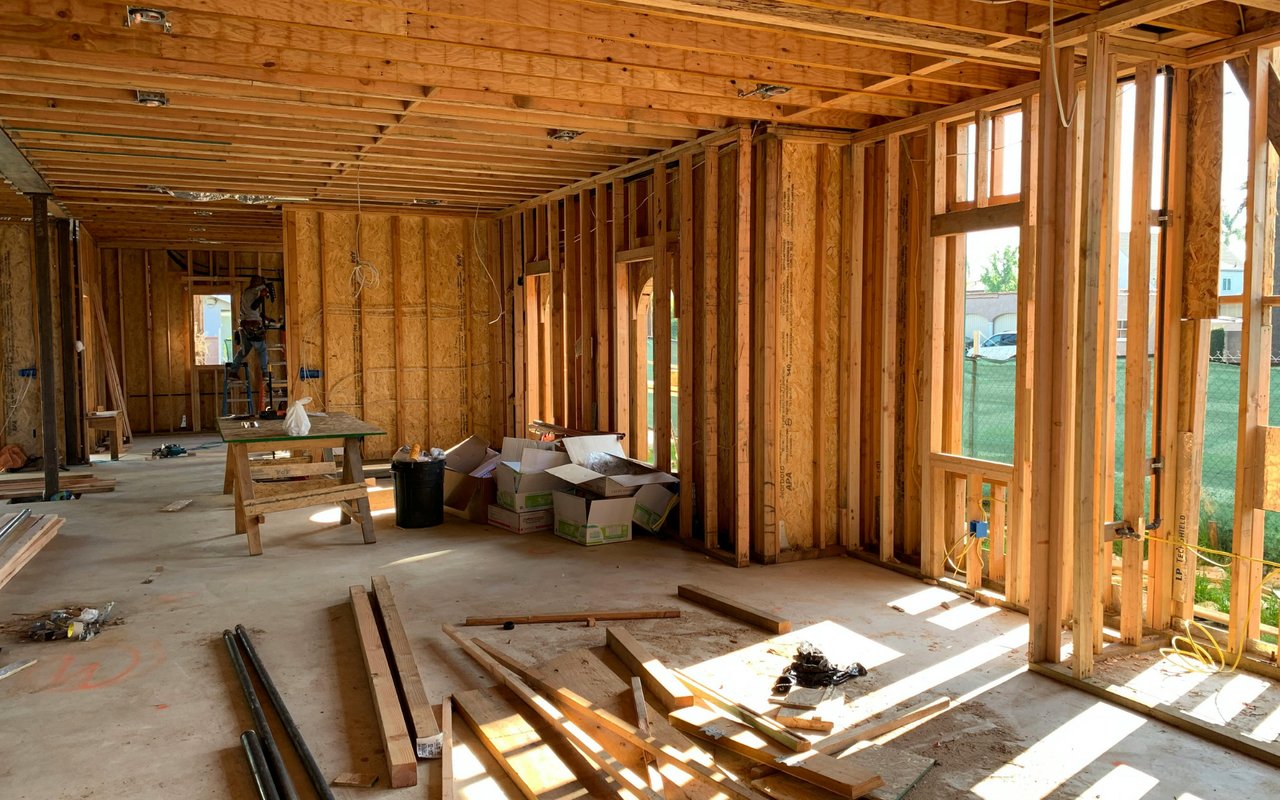
You walked into a new construction community, saw the price sheet, and immediately wondered why there is no room to negotiate the way you would with a resale home. Her… Read more
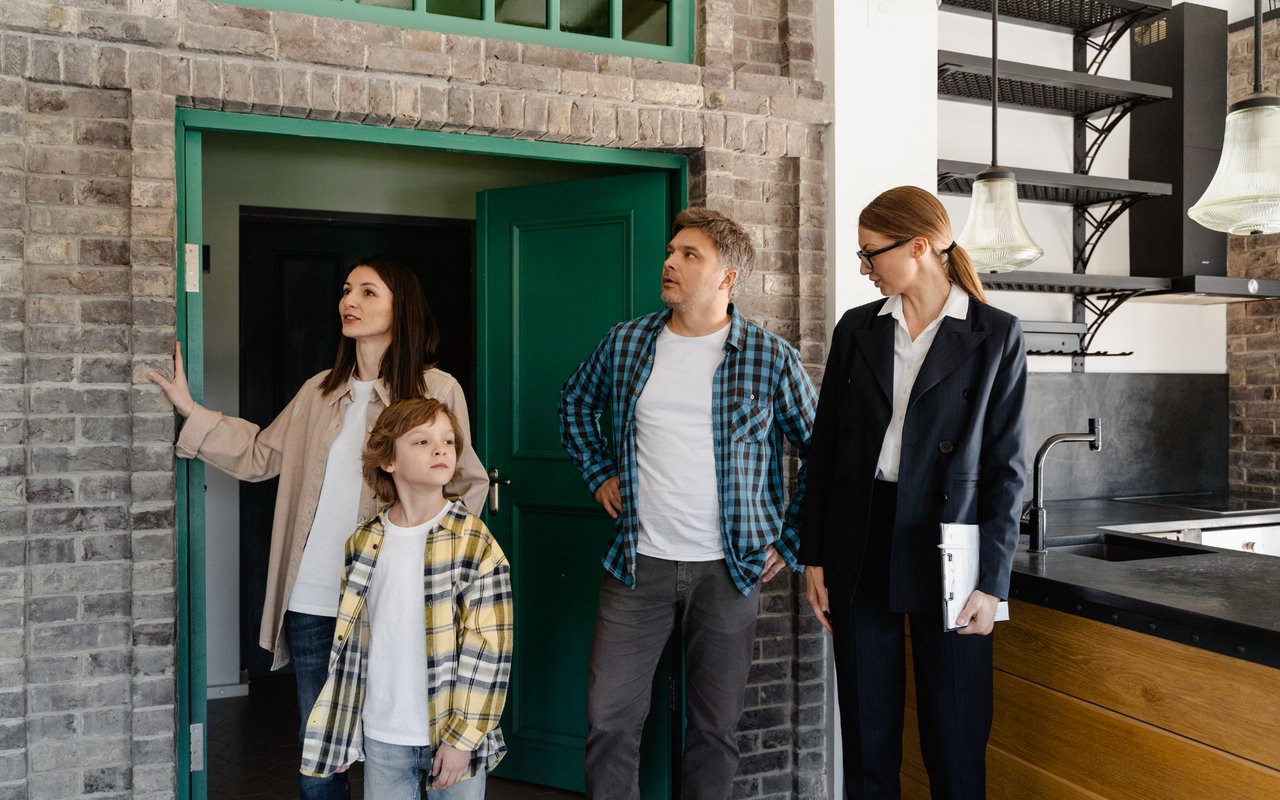
You came home to find every light in the house blazing, the back door unlocked, and the garage door wide open. Nobody stayed behind on purpose. They just left without … Read more
Get assistance in determining current property value, crafting a competitive offer, writing and negotiating a contract, and much more. Contact me today.
TESS HERNANDEZ
6901 Quaker Ave Ste 100 Lubbock, TX 79413