
How Do I Respond to Lowball Offers Without Burning Bridges?
If you’ve sold a home before, you know the feeling: an offer comes in, you flip to the price page, and your stomach drops. It’s nowhere near asking. It feels disrespectful. It feels offensive. It feels like a waste of time.
But in Lubbock’s market, a lowball offer isn’t always what it appears.
Sometimes it’s a buyer fishing.
Sometimes it’s inexperience.
Sometimes it’s strategy.
And sometimes it’s exactly the starting point needed to move them where they should be.
Here’s how I coach sellers to handle low offers without emotion, without retaliation, and without leaving money on the table.
Buyers don’t know your mortgage.
They don’t know your goals.
They don’t know the value you’ve built into your home.
Their starting point is not a reflection of the true value—it’s simply the number they hope you’ll consider.
When emotion takes over, negotiation stops.
When strategy takes over, momentum starts.
The worst thing a seller can do is ignore the offer.
Silence kills deals faster than anything.
A counter:
keeps the buyer engaged
sets the tone
communicates confidence
reframes the negotiation on your terms
A full-price counter sends a clear but professional message:
“We appreciate the offer, but this home is priced correctly.”
Sometimes a low price comes with excellent terms, such as:
fast closing
no repairs
strong option fee
appraisal support
no concessions
These buyers may have room to move up quickly.
I always evaluate the full offer before determining the best counter strategy.
Most buyers won’t jump from $20,000 under asking to full price in one counter.
But they will move in stages when guided properly.
Strategic negotiation looks like:
countering firmly but not aggressively
giving small concessions to gain bigger ones
keeping communication smooth and businesslike
The goal is to keep them talking long enough to reach where they need to be.
When I respond on your behalf, I support your counter with:
comps
days-on-market trends
showing feedback
recent neighborhood activity
Buyers respond to logic more than tone—and data builds credibility.
If a buyer stays unrealistically low after multiple counters, they’re telling you one thing:
“We’re not your buyer.”
That’s not failure—that’s clarity.
And clarity keeps you from accepting a weak offer out of frustration.
Lowball offers aren’t personal—they’re part of the process. And with the right strategy, many of them turn into strong, clean, profitable deals.
When I handle negotiations, I remove the emotion, manage the tone, and keep everything moving toward your best possible outcome. The goal isn’t to “win the argument.” The goal is to win the sale.

The person selling you the home and the person representing that seller in the transaction are the same person. Here is what Texas law requires in this situation, what… Read more

You just found out the listing agent is the seller's mom. Can they do that? Does it have to be disclosed? What does it mean for your offer? Here is what Texas law actu… Read more

You had a showing scheduled. The listing agent called and said they already accepted a contract. Nobody gave you a chance to move up the timeline, make a competing off… Read more

Going active on the MLS while telling buyers they cannot see the home for a week sounds like a strategy. In most cases it is the opposite. Here is what actually happen… Read more

They loved it but picked another house. The kitchen was not their style. No feedback at all. If that is all you are hearing after showings you are not alone and there … Read more

A friend had a nightmare with the same builder. You love the home. Here is how to evaluate that situation honestly, what questions to ask, and how to protect yourself … Read more

You found a spec home that is almost perfect but you want different flooring, an extra outlet in the garage, or a different cabinet color. Here is exactly how much fle… Read more
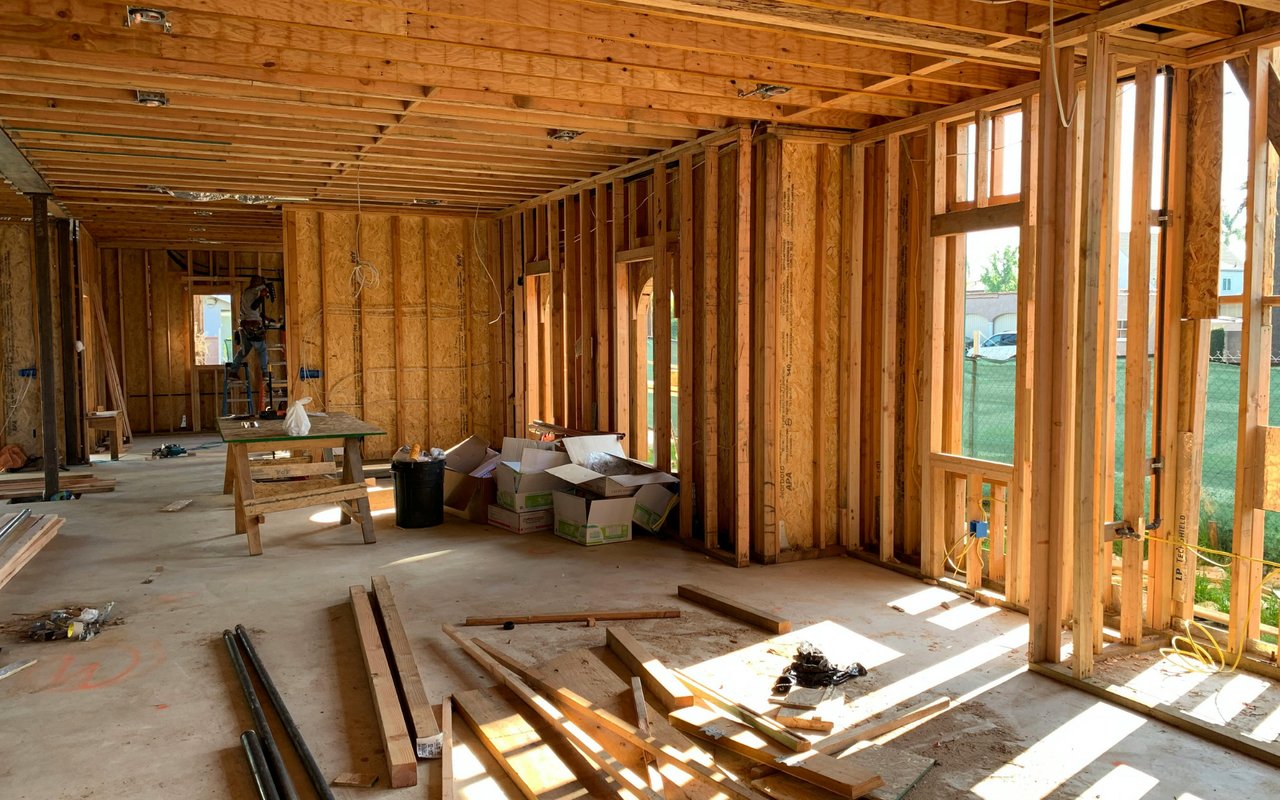
You walked into a new construction community, saw the price sheet, and immediately wondered why there is no room to negotiate the way you would with a resale home. Her… Read more

You came home to find every light in the house blazing, the back door unlocked, and the garage door wide open. Nobody stayed behind on purpose. They just left without … Read more
Get assistance in determining current property value, crafting a competitive offer, writing and negotiating a contract, and much more. Contact me today.
TESS HERNANDEZ
6901 Quaker Ave Ste 100 Lubbock, TX 79413