
Understanding Builder Warranties for Custom vs Production Homes in Lubbock
When you buy new construction in Lubbock, the term “builder warranty” sounds straightforward—but the coverage behind it can vary dramatically depending on the type of builder you choose.
A custom home and a production home aren’t just built differently—they’re backed differently too.
Here’s what to expect from each.
1. Production Builders: Consistent but Limited Coverage
Production builders—like Betenbough Homes, Ventura Homes, or Roten Homes—build multiple homes from pre-set floor plans in large communities.
Their warranty programs are designed for efficiency and predictability.
What you’ll usually get:
1 year for workmanship and materials
2 years for systems (plumbing, HVAC, electrical)
10 years for structure (foundation, framing)
Most production builders partner with third-party warranty providers like 2-10 Home Buyers Warranty or StrucSure to handle claims.
That’s a plus—it means even if the builder closes or moves on, your coverage stays valid.
However, because these warranties are standardized, they’re less flexible when it comes to gray areas like cosmetic issues or borderline structural concerns.
2. Custom Builders: Personalized—but More Variable
Custom builders—like Trey Strong Custom Homes, David Jordan Homes, or Addison Homes—operate differently.
Their warranties are often written in-house and can vary based on the scope of work, contract type, and materials used.
Expect detailed, personalized agreements that cover specific craftsmanship items—cabinetry, tile work, millwork—but with varying timelines. Some custom builders mirror the 1-2-10 model; others write shorter or longer coverage periods for certain systems.
Because these warranties are private contracts, it’s essential to:
Review them with your Realtor before signing
Confirm whether they’re backed by insurance or rely solely on the builder’s solvency
Document all materials and subcontractors used—custom homes often have unique parts that affect future claims
3. The Hidden Factor: Relationship
With a production builder, your warranty experience is transactional. With a custom builder, it’s personal.
That can work in your favor—if communication stays strong—but it can also make enforcement harder if ownership or management changes.
4. The Smart Approach
Before closing, I always help clients compare builder warranty structures side-by-side, so they understand exactly who’s standing behind the home—and for how long.
Because in Lubbock, a “builder warranty” isn’t one-size-fits-all. It’s as individual as the home itself.
— Insights from Tess Hernandez, Realtor | Reside Real Estate

The person selling you the home and the person representing that seller in the transaction are the same person. Here is what Texas law requires in this situation, what… Read more

You just found out the listing agent is the seller's mom. Can they do that? Does it have to be disclosed? What does it mean for your offer? Here is what Texas law actu… Read more

You had a showing scheduled. The listing agent called and said they already accepted a contract. Nobody gave you a chance to move up the timeline, make a competing off… Read more

Going active on the MLS while telling buyers they cannot see the home for a week sounds like a strategy. In most cases it is the opposite. Here is what actually happen… Read more

They loved it but picked another house. The kitchen was not their style. No feedback at all. If that is all you are hearing after showings you are not alone and there … Read more

A friend had a nightmare with the same builder. You love the home. Here is how to evaluate that situation honestly, what questions to ask, and how to protect yourself … Read more
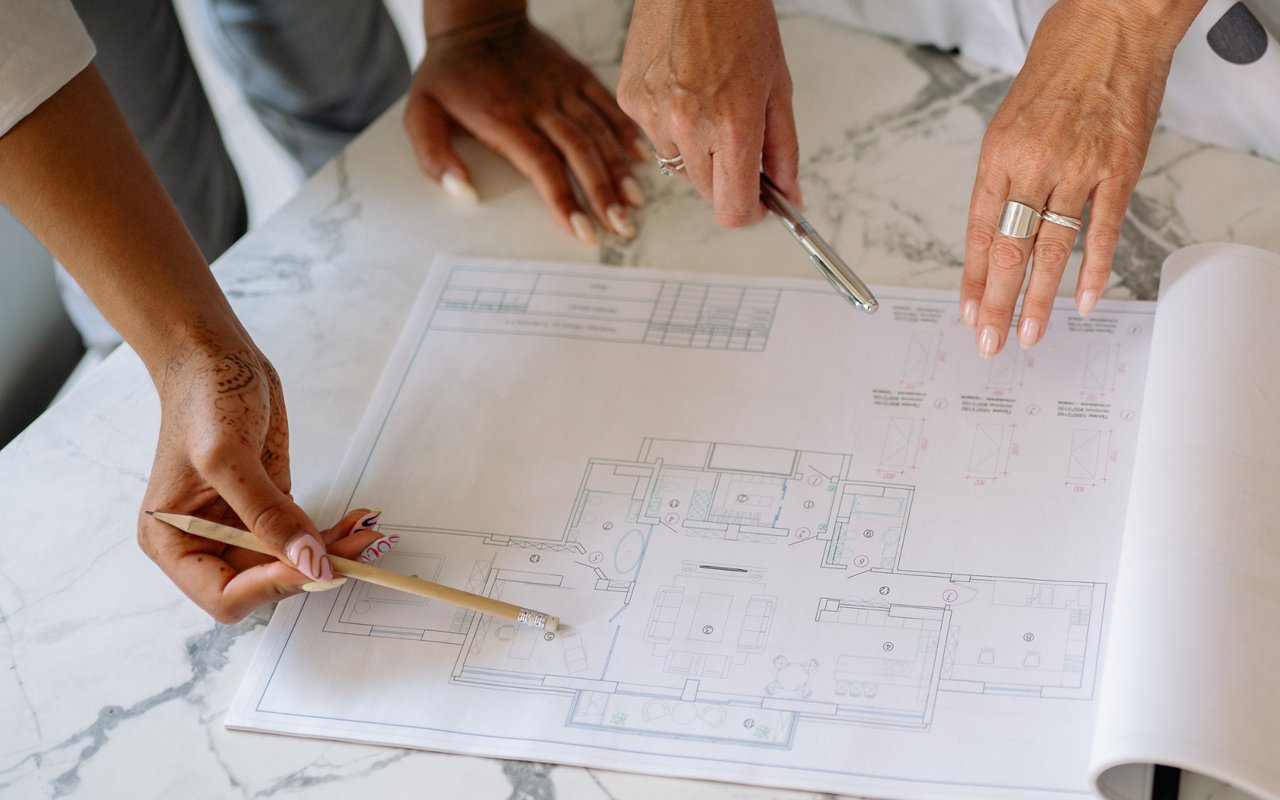
You found a spec home that is almost perfect but you want different flooring, an extra outlet in the garage, or a different cabinet color. Here is exactly how much fle… Read more
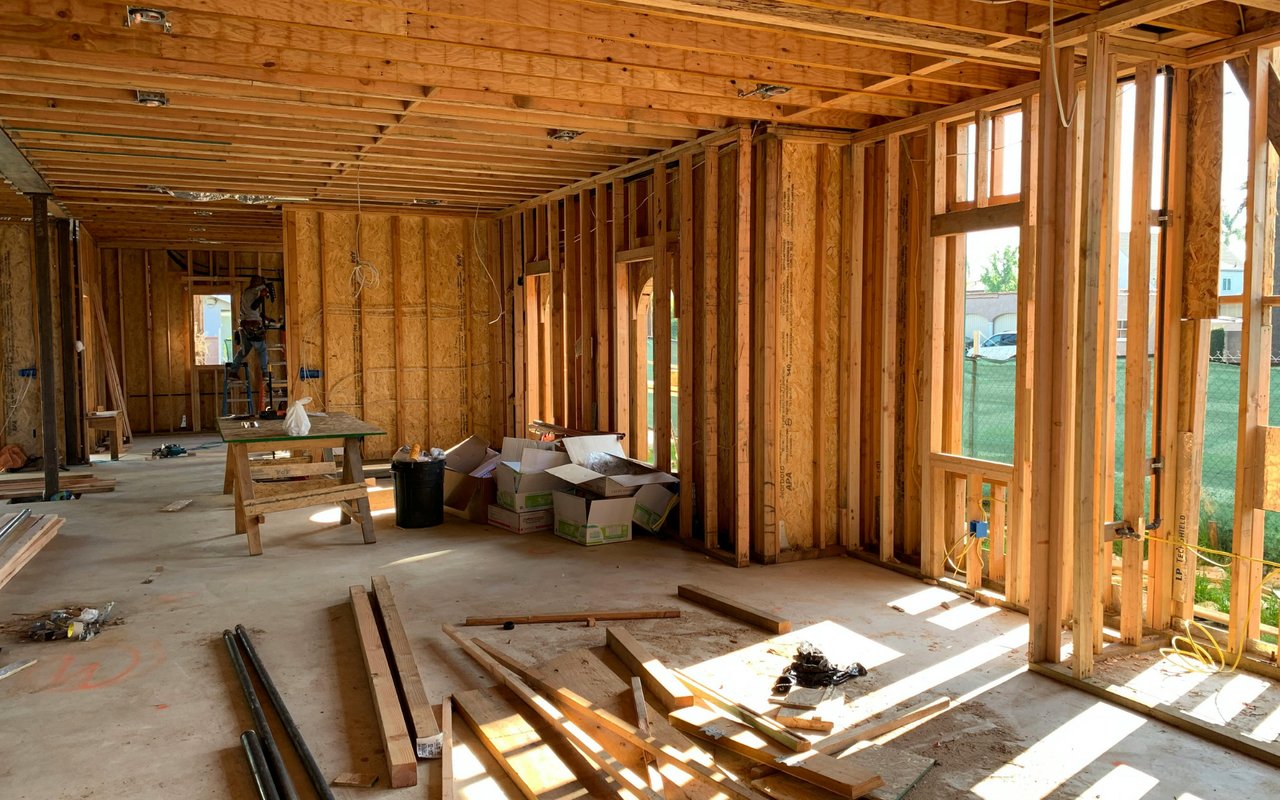
You walked into a new construction community, saw the price sheet, and immediately wondered why there is no room to negotiate the way you would with a resale home. Her… Read more
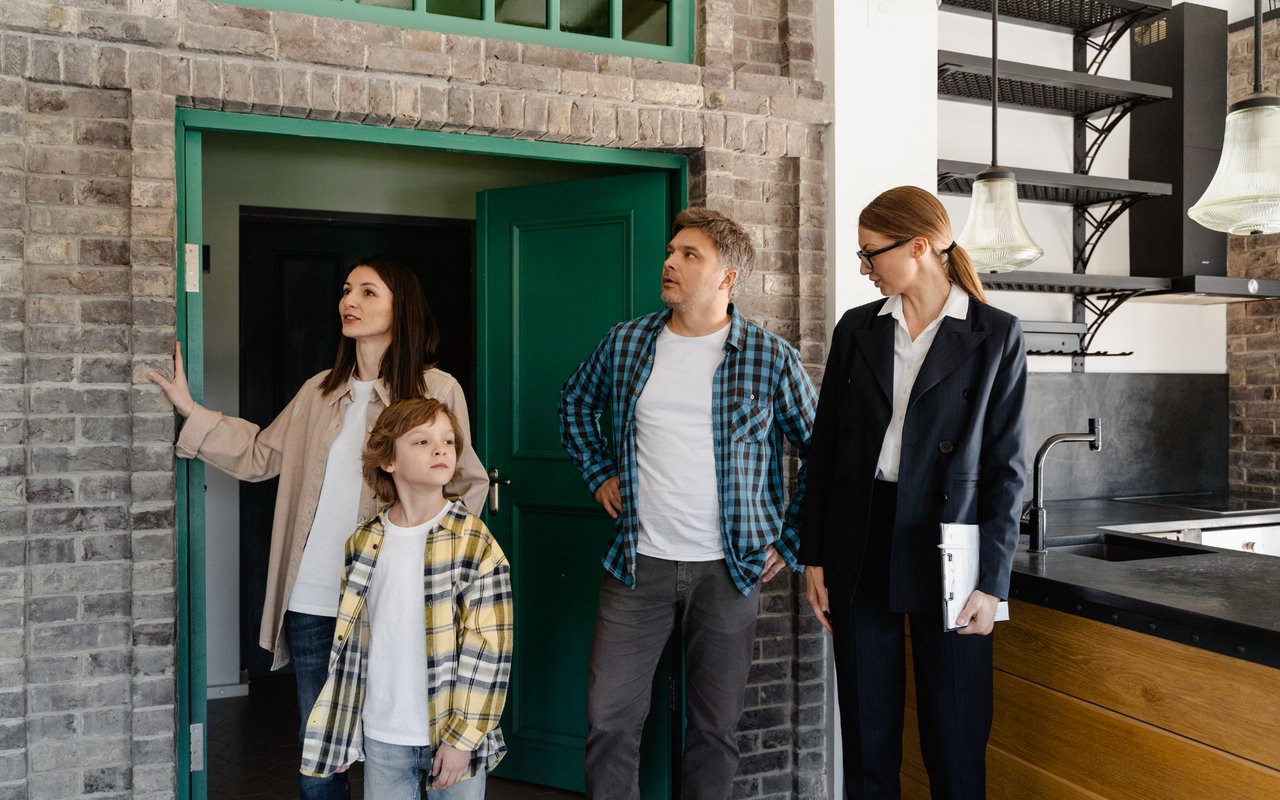
You came home to find every light in the house blazing, the back door unlocked, and the garage door wide open. Nobody stayed behind on purpose. They just left without … Read more
Get assistance in determining current property value, crafting a competitive offer, writing and negotiating a contract, and much more. Contact me today.
TESS HERNANDEZ
6901 Quaker Ave Ste 100 Lubbock, TX 79413