
Do Homes Near Major Employers Move Differently Than the County Average?
It’s easy to forget how much a short commute can shape housing demand—until you look at the data. In Lubbock, homes near major employers like Texas Tech University, Covenant Health, UMC, and Lubbock-Cooper ISD consistently show unique market behavior compared to the county average.
The pattern is clear: proximity sells.
Homes within a 10–15 minute drive of large employment centers tend to move 20–30% faster than those on the outskirts. In some cases—especially around Tech Terrace, Medical District, and South Lubbock near Loop 289—listings go under contract in less than three weeks.
Why? Time is the new luxury. Buyers increasingly value convenience over square footage. Shorter drives, access to dining and retail, and predictable commutes create a daily ease that buyers are willing to pay for.
However, these micro-markets behave differently depending on the season. In spring and summer, relocation-driven demand spikes around hospital systems and school districts. In winter, activity slows but prices hold steady because turnover in those areas is constant year-round.
That stability makes employer-adjacent neighborhoods some of the safest long-term investments in Lubbock. While fringe developments often fluctuate with construction cycles, homes near job hubs maintain consistent value—even in higher-rate environments.
For sellers, this advantage means leverage. Highlighting commute times and neighborhood access can make your property stand out beyond basic amenities. For buyers, it’s about strategy. The best homes in these pockets don’t linger, so understanding pricing trends before they hit the MLS is key.
I track absorption rates around each major employment zone separately from the county average. It’s how I help clients identify opportunity before everyone else sees it.
Proximity doesn’t just influence convenience—it drives value. And in Lubbock, where growth keeps expanding south and west, staying close to the heartbeat of the city is still one of the smartest moves you can make.
— Insights from Tess Hernandez, Realtor | Reside Real Estate

The person selling you the home and the person representing that seller in the transaction are the same person. Here is what Texas law requires in this situation, what… Read more

You just found out the listing agent is the seller's mom. Can they do that? Does it have to be disclosed? What does it mean for your offer? Here is what Texas law actu… Read more

You had a showing scheduled. The listing agent called and said they already accepted a contract. Nobody gave you a chance to move up the timeline, make a competing off… Read more

Going active on the MLS while telling buyers they cannot see the home for a week sounds like a strategy. In most cases it is the opposite. Here is what actually happen… Read more

They loved it but picked another house. The kitchen was not their style. No feedback at all. If that is all you are hearing after showings you are not alone and there … Read more

A friend had a nightmare with the same builder. You love the home. Here is how to evaluate that situation honestly, what questions to ask, and how to protect yourself … Read more

You found a spec home that is almost perfect but you want different flooring, an extra outlet in the garage, or a different cabinet color. Here is exactly how much fle… Read more
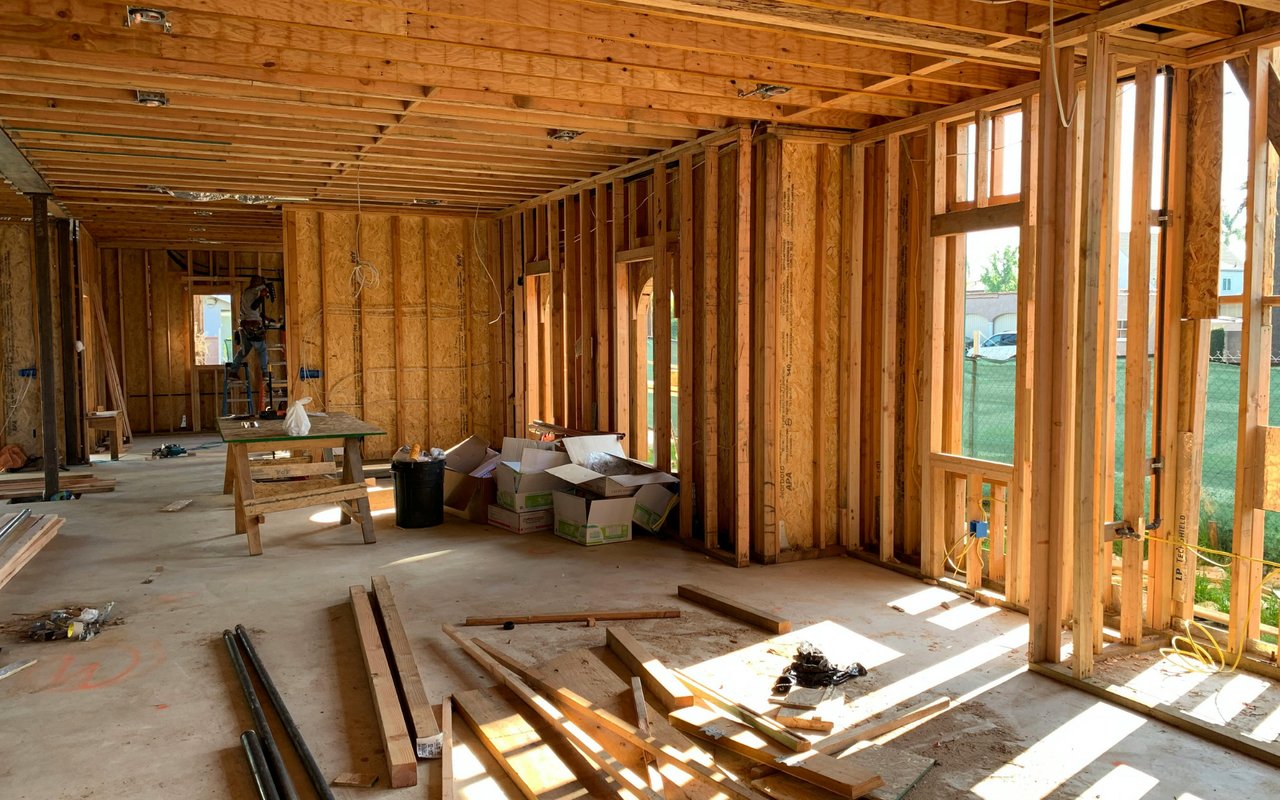
You walked into a new construction community, saw the price sheet, and immediately wondered why there is no room to negotiate the way you would with a resale home. Her… Read more

You came home to find every light in the house blazing, the back door unlocked, and the garage door wide open. Nobody stayed behind on purpose. They just left without … Read more
Get assistance in determining current property value, crafting a competitive offer, writing and negotiating a contract, and much more. Contact me today.
TESS HERNANDEZ
6901 Quaker Ave Ste 100 Lubbock, TX 79413