
Builder vs Home Warranty in Lubbock: Key Differences
When you buy a new construction home in Lubbock, you’ll hear about two types of protection: the builder warranty and the home warranty. They’re not the same thing—and confusing the two can leave you uncovered when something breaks.
Here’s how to tell them apart.
1. Builder Warranty — Covers Construction and Structure
Your builder warranty comes directly from the company that built your home. It covers the workmanship, systems, and structure—things that were part of the original construction.
Typical coverage includes:
Foundation and framing (up to 10 years)
Plumbing, electrical, HVAC (2 years)
Finishes like doors, cabinets, and flooring (1 year)
It’s designed to protect you from defects in the way the home was built, not from normal wear and tear.
Example:
If your brand-new HVAC fails due to faulty installation, the builder warranty covers it.
If it fails because of lack of maintenance or age five years later—it doesn’t.
2. Home Warranty — Covers Appliances and Systems
A home warranty is a separate service plan you can purchase annually (or sometimes receive from the seller). It covers repairs or replacements for major systems and appliances after you’ve moved in.
Think of it as protection for use-related breakdowns, not construction flaws.
Typical coverage includes:
Air conditioning and heating units
Water heaters
Kitchen appliances (oven, dishwasher, fridge)
Electrical and plumbing fixtures
When something breaks, you pay a small service fee (usually $75–$125), and the warranty company sends a contractor to fix or replace the item.
3. How They Work Together
For new construction, you usually have both. The builder warranty covers early-stage issues related to construction, while a home warranty takes over later for ongoing maintenance failures.
It’s smart to keep both in mind as your home ages: one safeguards how your home was built, the other covers how it wears.
4. Why It Matters in Lubbock
Between the region’s weather extremes and expanding development, it’s not unusual for homeowners to experience settling or system hiccups early on. Knowing which warranty applies helps avoid frustration—and unnecessary expenses.
When I represent buyers, I make sure both warranties are clearly documented at closing, with contact details and claim procedures.
Because when something goes wrong, clarity is the real comfort.
— Insights from Tess Hernandez, Realtor | Reside Real Estate

The person selling you the home and the person representing that seller in the transaction are the same person. Here is what Texas law requires in this situation, what… Read more

You just found out the listing agent is the seller's mom. Can they do that? Does it have to be disclosed? What does it mean for your offer? Here is what Texas law actu… Read more

You had a showing scheduled. The listing agent called and said they already accepted a contract. Nobody gave you a chance to move up the timeline, make a competing off… Read more

Going active on the MLS while telling buyers they cannot see the home for a week sounds like a strategy. In most cases it is the opposite. Here is what actually happen… Read more

They loved it but picked another house. The kitchen was not their style. No feedback at all. If that is all you are hearing after showings you are not alone and there … Read more

A friend had a nightmare with the same builder. You love the home. Here is how to evaluate that situation honestly, what questions to ask, and how to protect yourself … Read more
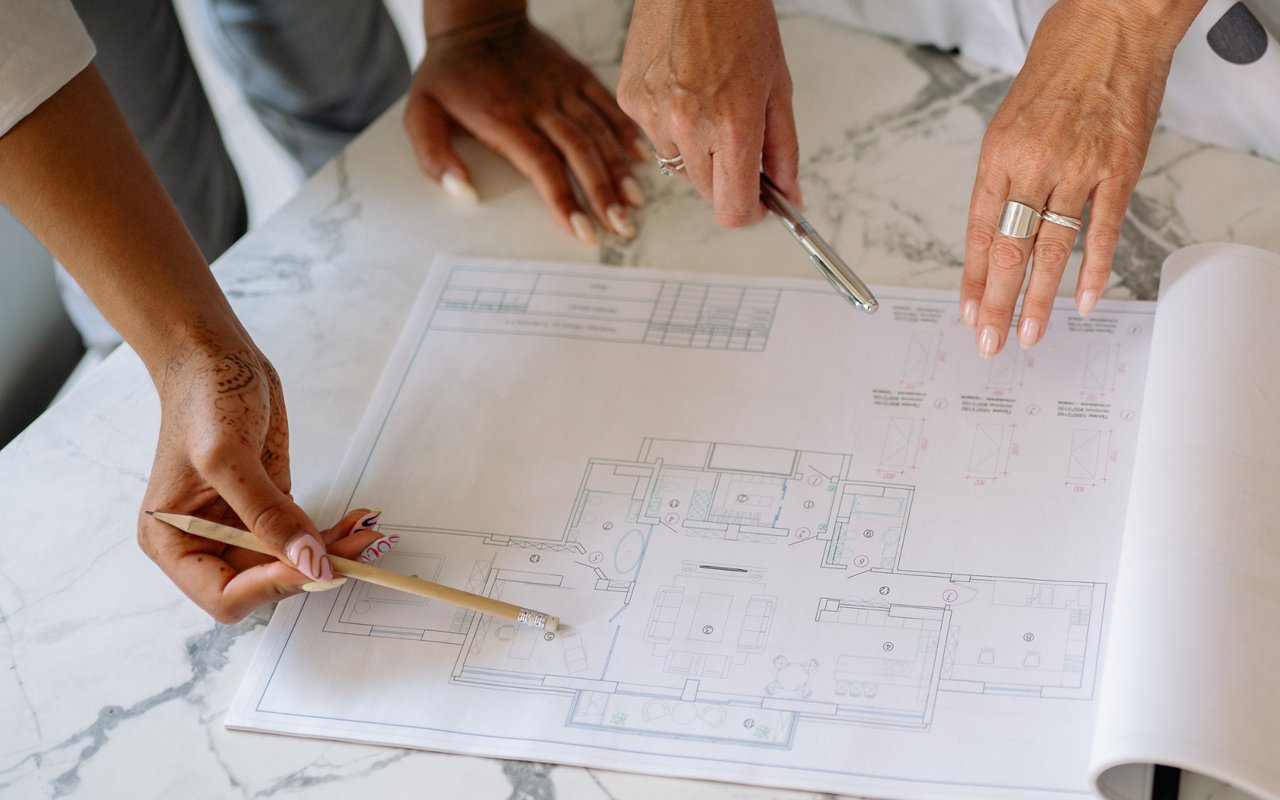
You found a spec home that is almost perfect but you want different flooring, an extra outlet in the garage, or a different cabinet color. Here is exactly how much fle… Read more
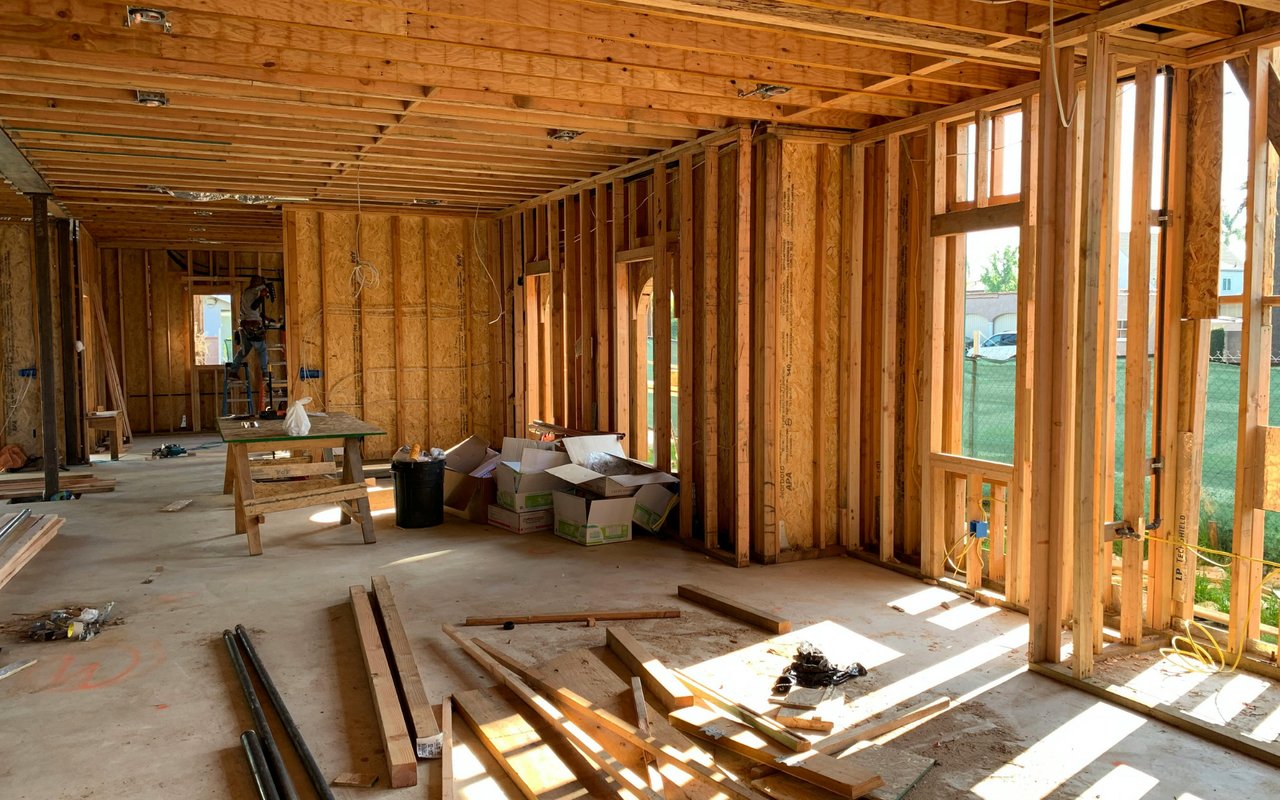
You walked into a new construction community, saw the price sheet, and immediately wondered why there is no room to negotiate the way you would with a resale home. Her… Read more

You came home to find every light in the house blazing, the back door unlocked, and the garage door wide open. Nobody stayed behind on purpose. They just left without … Read more
Get assistance in determining current property value, crafting a competitive offer, writing and negotiating a contract, and much more. Contact me today.
TESS HERNANDEZ
6901 Quaker Ave Ste 100 Lubbock, TX 79413