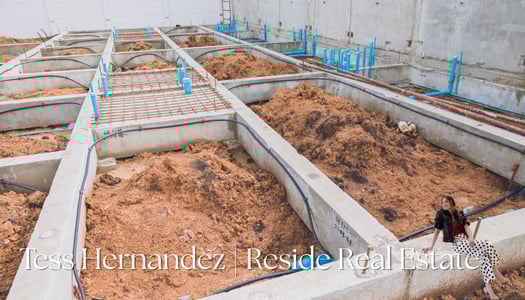
What’s Covered Under a Structural Warranty in Texas?
When you buy a new construction home in Texas, one number stands out: 10 years. That’s the standard length of your structural warranty, the part designed to protect you from serious, expensive foundation or framing issues.
But what exactly does “structural” mean—and what does it not include?
Here’s a breakdown every Lubbock homeowner should know.
1. What the Structural Warranty Covers
A structural warranty protects your home’s load-bearing components—the parts that literally hold the house up.
That includes:
Foundation and footings
Load-bearing walls and beams
Roof framing and trusses
Floor framing systems
Structural columns or lintels
If a covered component fails due to poor workmanship or materials, your builder (or their insurer) is required to repair or replace it.
Think of it as coverage for the bones of your home—not the skin.
2. What It Doesn’t Cover
Structural warranties don’t cover cosmetic issues or non-load-bearing elements. Exclusions often include:
Cracks in drywall or concrete less than ¼ inch wide (considered normal settling)
Roof leaks caused by flashing or shingles (that’s materials, not structure)
Doors or windows sticking from humidity or minor foundation movement
Drainage or grading issues unless they lead to structural failure
It’s designed for major failures, not everyday wear.
3. Why Texas Homes Need It
Lubbock’s clay soil expands and contracts dramatically with moisture changes, which can stress foundations over time.
That’s why Texas law mandates 10 years of structural coverage for all new residential construction under the state’s Residential Construction Liability Act (RCLA).
Builders can meet this requirement through in-house warranties or third-party providers like StrucSure, 2-10, or Centricity.
4. What to Do If You Suspect an Issue
If you notice wide cracks, sloping floors, or misaligned doors, document everything immediately—photos, dates, and measurements—and contact your builder or warranty company in writing.
The earlier you report it, the stronger your claim.
5. Keep Your Warranty Active
Routine maintenance still matters. Keep gutters clear, maintain consistent moisture around the foundation, and avoid large trees planted too close to the slab. Poor maintenance can void even valid claims.
A structural warranty isn’t something you’ll (hopefully) ever need—but if you do, it can save you from financial disaster.
When I help clients buy new construction, I make sure they understand what’s covered, what’s not, and who to call if cracks start to whisper.
— Insights from Tess Hernandez, Realtor | Reside Real Estate

You can love a house and be wrong about the neighborhood. Here is how to research a neighborhood properly before you commit, what to look for beyond the obvious, and w… Read more

Getting approved and actually affording the payment are two different things. Here is the gap most buyers do not talk about, how to evaluate what you can genuinely sus… Read more

Losing a home you love to another buyer is one of the most emotionally painful experiences in real estate. Here is how to position yourself to win when it matters, wha… Read more

It is one of the most common fears first-time buyers carry into a purchase. Here is how to protect yourself before closing, what to do if something does break, and why… Read more

A price reduction feels like losing but it does not have to be. Here is how to think about it clearly, when to make the move, and how to do it in a way that actually g… Read more

Buying the listing is one of the oldest tricks in real estate and it costs sellers more than they realize. Here is how to spot it before you sign anything, what questi… Read more

A low appraisal is one of the most stressful moments in a real estate transaction from the seller's perspective. Here is exactly what it means, what your options are, … Read more

No, you do not. But knowing which items are worth addressing and which ones are not is the difference between a smooth negotiation and a deal that falls apart over thi… Read more

The inspection is the moment sellers dread most and it does not have to be. Here is what actually happens after an inspection, what you are and are not obligated to do… Read more
Get assistance in determining current property value, crafting a competitive offer, writing and negotiating a contract, and much more. Contact me today.
TESS HERNANDEZ
6901 Quaker Ave Ste 100 Lubbock, TX 79413