
What Does a Builder’s Warranty Actually Cover?
When you buy new construction in Lubbock, you’ll hear about a “builder’s warranty.” It sounds reassuring, but most buyers don’t realize what it actually includes—or how limited it can be.
A builder’s warranty is designed to protect your home against defects in materials and workmanship, but it’s not a blanket insurance policy. Let’s break down what it truly covers.
1. The 1-2-10 Rule
Most builders follow a version of what’s known as the 1-2-10 warranty structure:
1 year: Coverage for workmanship and materials (paint, drywall, flooring, trim, etc.)
2 years: Coverage for major systems (plumbing, electrical, HVAC)
10 years: Structural coverage for the foundation and load-bearing components
It’s a solid framework—but each builder defines these terms differently, which is why I review every warranty packet with my clients before closing.
2. What’s Not Covered
Builder warranties don’t protect against normal wear, weather damage, or poor maintenance. You’ll also see exclusions for:
Cosmetic issues after move-in (unless documented at walkthrough)
Damage caused by landscaping, irrigation, or pests
Cracks in concrete from settling (unless excessive)
Appliances (covered separately by manufacturer)
It’s a warranty, not a maintenance plan—and knowing that distinction early prevents headaches later.
3. How to File a Claim
Every builder has a different process. Most use a warranty portal or request form with deadlines for submitting items—often within 30 days, six months, or one year.
I always tell clients to submit small issues as they arise instead of waiting for one big list. Timely documentation keeps your warranty valid.
4. Why Documentation Matters
During your final walkthrough, photograph and record every cosmetic issue, even minor ones. Builders only fix what’s documented before closing unless it’s a clear structural problem.
I keep a copy of the signed punch list and walkthrough report for every client—it’s proof if questions arise later.
5. Optional Extended Warranties
Some third-party companies sell “extended builder warranties,” which can be useful if you plan to hold the home long-term. They often cover systems beyond year two and add convenience for service coordination.
In short, a builder’s warranty is valuable—but only if you understand its limits and use it correctly.
I make sure my clients don’t just move into new construction—they move in with peace of mind and a paper trail.
— Insights from Tess Hernandez, Realtor | Reside Real Estate

The person selling you the home and the person representing that seller in the transaction are the same person. Here is what Texas law requires in this situation, what… Read more

You just found out the listing agent is the seller's mom. Can they do that? Does it have to be disclosed? What does it mean for your offer? Here is what Texas law actu… Read more

You had a showing scheduled. The listing agent called and said they already accepted a contract. Nobody gave you a chance to move up the timeline, make a competing off… Read more

Going active on the MLS while telling buyers they cannot see the home for a week sounds like a strategy. In most cases it is the opposite. Here is what actually happen… Read more

They loved it but picked another house. The kitchen was not their style. No feedback at all. If that is all you are hearing after showings you are not alone and there … Read more

A friend had a nightmare with the same builder. You love the home. Here is how to evaluate that situation honestly, what questions to ask, and how to protect yourself … Read more
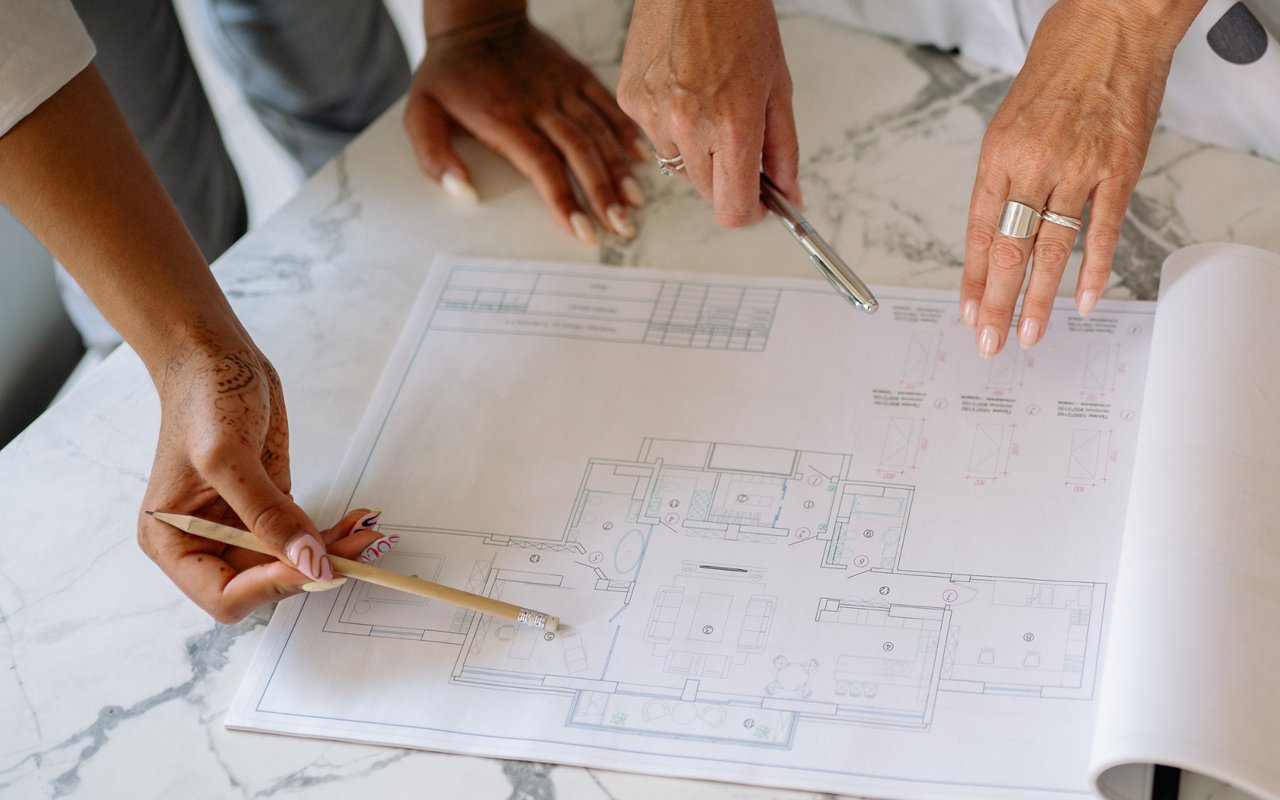
You found a spec home that is almost perfect but you want different flooring, an extra outlet in the garage, or a different cabinet color. Here is exactly how much fle… Read more
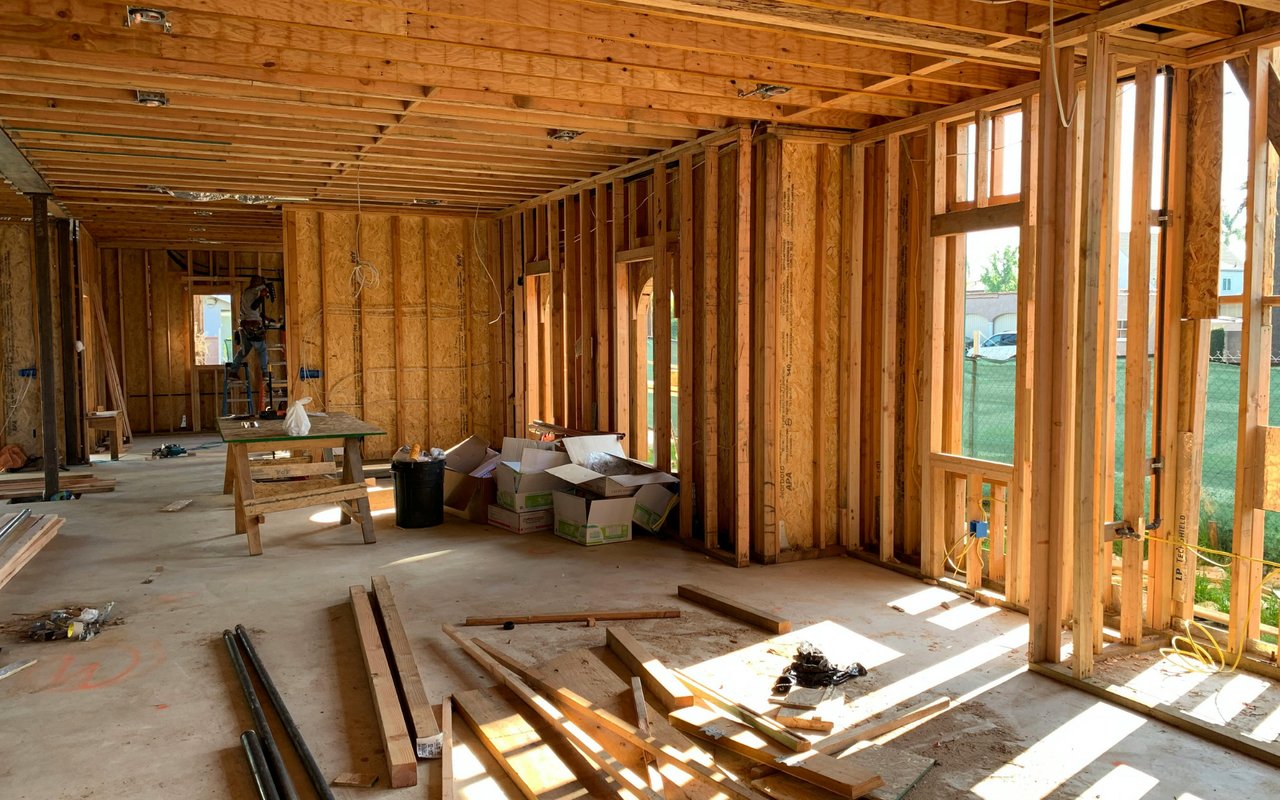
You walked into a new construction community, saw the price sheet, and immediately wondered why there is no room to negotiate the way you would with a resale home. Her… Read more

You came home to find every light in the house blazing, the back door unlocked, and the garage door wide open. Nobody stayed behind on purpose. They just left without … Read more
Get assistance in determining current property value, crafting a competitive offer, writing and negotiating a contract, and much more. Contact me today.
TESS HERNANDEZ
6901 Quaker Ave Ste 100 Lubbock, TX 79413