
Should I Ask the Seller for Repairs or a Credit in Lubbock?
You’ve finished your inspection, the report’s in, and now comes the question every buyer faces: Do we ask the seller to fix things—or just give us money toward them?
In Lubbock’s 2025 market, there’s no one-size-fits-all answer. It depends on the home, the repairs, and the type of deal you’re structuring.
Here’s how I help my clients decide:
1. Consider the scope and urgency of the repair.
If the issue is major—like a roof leak, foundation concern, or HVAC problem—it’s often smarter to ask the seller to complete the repair before closing. That way, it’s handled by professionals and verified before you move in.
2. Think about control and quality.
If you’re picky about materials or workmanship, requesting a credit at closing gives you control. You can hire your own contractor and ensure the repair meets your standards after closing.
3. Check loan requirements.
Certain loan types (like FHA or VA) require safety-related repairs to be completed before closing. In those cases, a credit may not be an option. Conventional buyers, however, often have more flexibility.
4. Factor in market conditions.
In a slower market, sellers tend to agree to repairs or credits readily. In a fast-moving market—like we see in Cooper and Frenship ISD zones—sellers may prefer offering a flat credit to keep timelines short.
5. Do the math.
If repairs total $5,000, a credit for that same amount might sound equal—but remember: you’ll be paying retail for materials and labor after closing. Sometimes a pre-closing fix saves you more.
My role is to help you evaluate what’s worth pushing for—and what’s worth letting go. Not every cracked tile or worn baseboard is a negotiation point, but serious issues should be addressed with confidence.
When I negotiate on behalf of buyers, I make sure repair requests are clear, documented, and prioritized by safety and structure. For sellers I represent, I encourage transparency early, so these conversations don’t derail a deal later.
The goal isn’t to “win” the inspection—it’s to create a fair outcome that protects your investment and keeps the deal moving.
Because at the end of the day, whether it’s a repair or a credit, the right choice is the one that gives you confidence walking through your new front door.
— Insights from Tess Hernandez, Realtor | Reside Real Estate

The person selling you the home and the person representing that seller in the transaction are the same person. Here is what Texas law requires in this situation, what… Read more

You just found out the listing agent is the seller's mom. Can they do that? Does it have to be disclosed? What does it mean for your offer? Here is what Texas law actu… Read more

You had a showing scheduled. The listing agent called and said they already accepted a contract. Nobody gave you a chance to move up the timeline, make a competing off… Read more

Going active on the MLS while telling buyers they cannot see the home for a week sounds like a strategy. In most cases it is the opposite. Here is what actually happen… Read more

They loved it but picked another house. The kitchen was not their style. No feedback at all. If that is all you are hearing after showings you are not alone and there … Read more

A friend had a nightmare with the same builder. You love the home. Here is how to evaluate that situation honestly, what questions to ask, and how to protect yourself … Read more
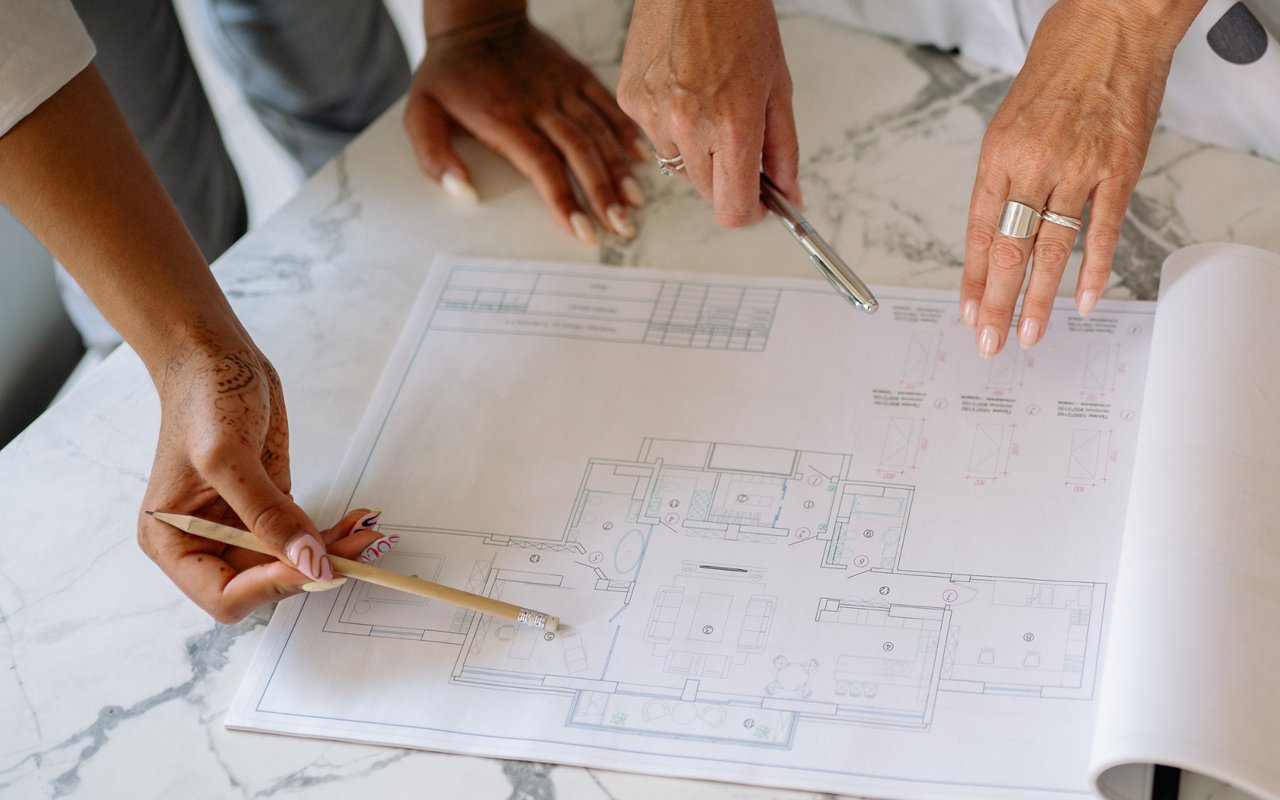
You found a spec home that is almost perfect but you want different flooring, an extra outlet in the garage, or a different cabinet color. Here is exactly how much fle… Read more
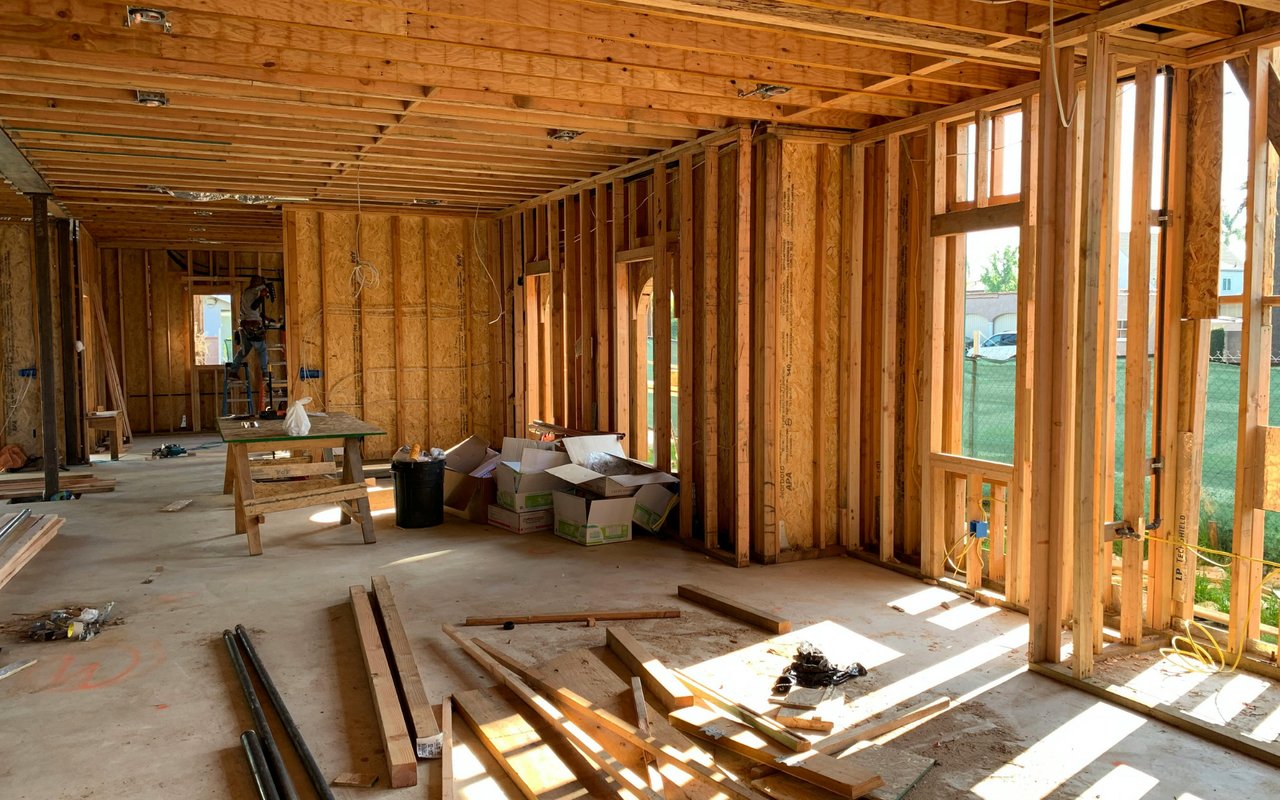
You walked into a new construction community, saw the price sheet, and immediately wondered why there is no room to negotiate the way you would with a resale home. Her… Read more

You came home to find every light in the house blazing, the back door unlocked, and the garage door wide open. Nobody stayed behind on purpose. They just left without … Read more
Get assistance in determining current property value, crafting a competitive offer, writing and negotiating a contract, and much more. Contact me today.
TESS HERNANDEZ
6901 Quaker Ave Ste 100 Lubbock, TX 79413