
Understanding Property Taxes in Lubbock, Texas
If you’ve ever wondered why Texas property taxes feel higher than some other states, the answer is simple: it’s how we fund what others cover through state income tax.
In Lubbock County, property taxes are determined by your home’s appraised value and the combined tax rates of local entities—school districts, city, county, and special districts like hospital or water authorities.
On average, Lubbock homeowners pay between 1.9% and 2.6% of their home’s assessed value each year. That means a $300,000 home might generate a yearly tax bill between $5,700 and $7,800.
Here’s how it works in practice:
1. The Appraisal:
Every spring, the Lubbock Central Appraisal District (LCAD) assigns a market value to your property. That value, multiplied by the applicable tax rates, determines what you owe.
2. Exemptions:
You can reduce your taxable value through exemptions—most importantly, the Homestead Exemption, which saves primary homeowners around $1,200–$2,000 annually. Seniors, veterans, and individuals with disabilities can qualify for additional reductions.
3. Payments:
Taxes are billed in the fall and due by January 31st each year. Most homeowners pay through an escrow account—meaning your lender collects a portion of your taxes monthly and pays LCAD on your behalf.
4. Appeals:
If you believe your home’s assessed value is too high, you have the right to protest. I help clients compare sales data, listings, and condition adjustments to prepare effective protests each May.
While property taxes can feel steep, remember that Texas balances it out by skipping state income tax altogether. And in Lubbock, our overall cost of living still ranks well below most metro areas of similar size.
If you’re budgeting to buy, your property taxes will be included in your monthly payment estimate (as part of PITI). Knowing the district your home falls in—like Cooper ISD, Frenship ISD, or Lubbock ISD—helps fine-tune those numbers early.
Understanding your property tax system isn’t glamorous, but it’s crucial. The more you know about how it’s calculated, the more confidently you can budget—and the less shocking that first bill will feel.
Because in Texas, we don’t fear property taxes—we plan for them.
— Insights from Tess Hernandez, Realtor | Reside Real Estate

The person selling you the home and the person representing that seller in the transaction are the same person. Here is what Texas law requires in this situation, what… Read more

You just found out the listing agent is the seller's mom. Can they do that? Does it have to be disclosed? What does it mean for your offer? Here is what Texas law actu… Read more

You had a showing scheduled. The listing agent called and said they already accepted a contract. Nobody gave you a chance to move up the timeline, make a competing off… Read more

Going active on the MLS while telling buyers they cannot see the home for a week sounds like a strategy. In most cases it is the opposite. Here is what actually happen… Read more

They loved it but picked another house. The kitchen was not their style. No feedback at all. If that is all you are hearing after showings you are not alone and there … Read more

A friend had a nightmare with the same builder. You love the home. Here is how to evaluate that situation honestly, what questions to ask, and how to protect yourself … Read more
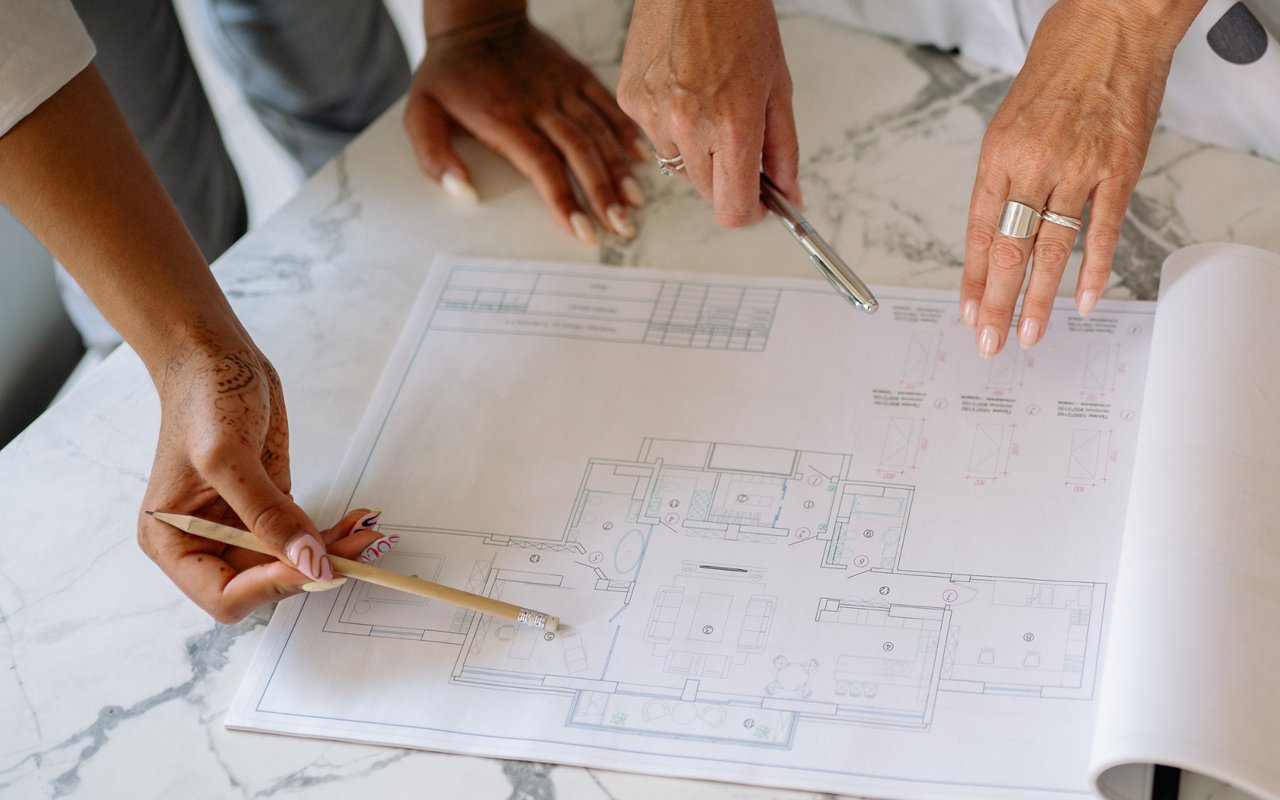
You found a spec home that is almost perfect but you want different flooring, an extra outlet in the garage, or a different cabinet color. Here is exactly how much fle… Read more
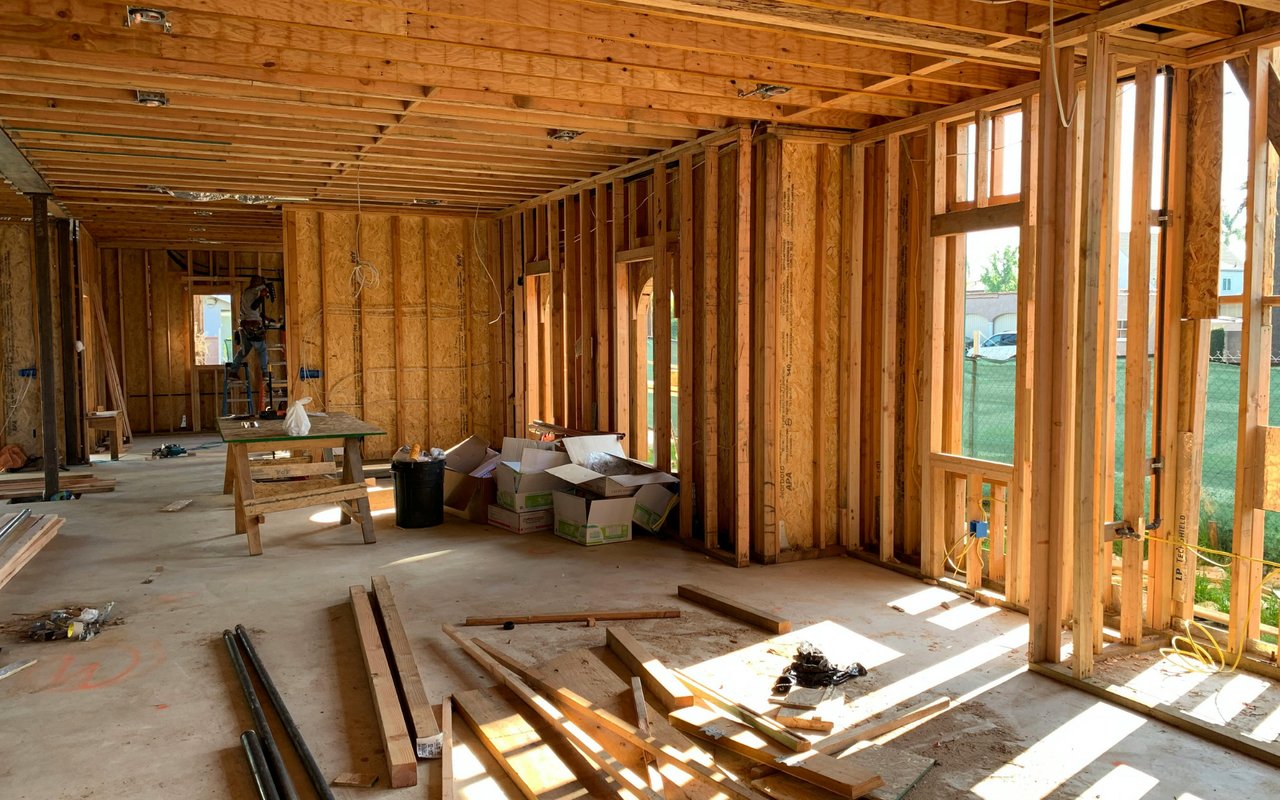
You walked into a new construction community, saw the price sheet, and immediately wondered why there is no room to negotiate the way you would with a resale home. Her… Read more
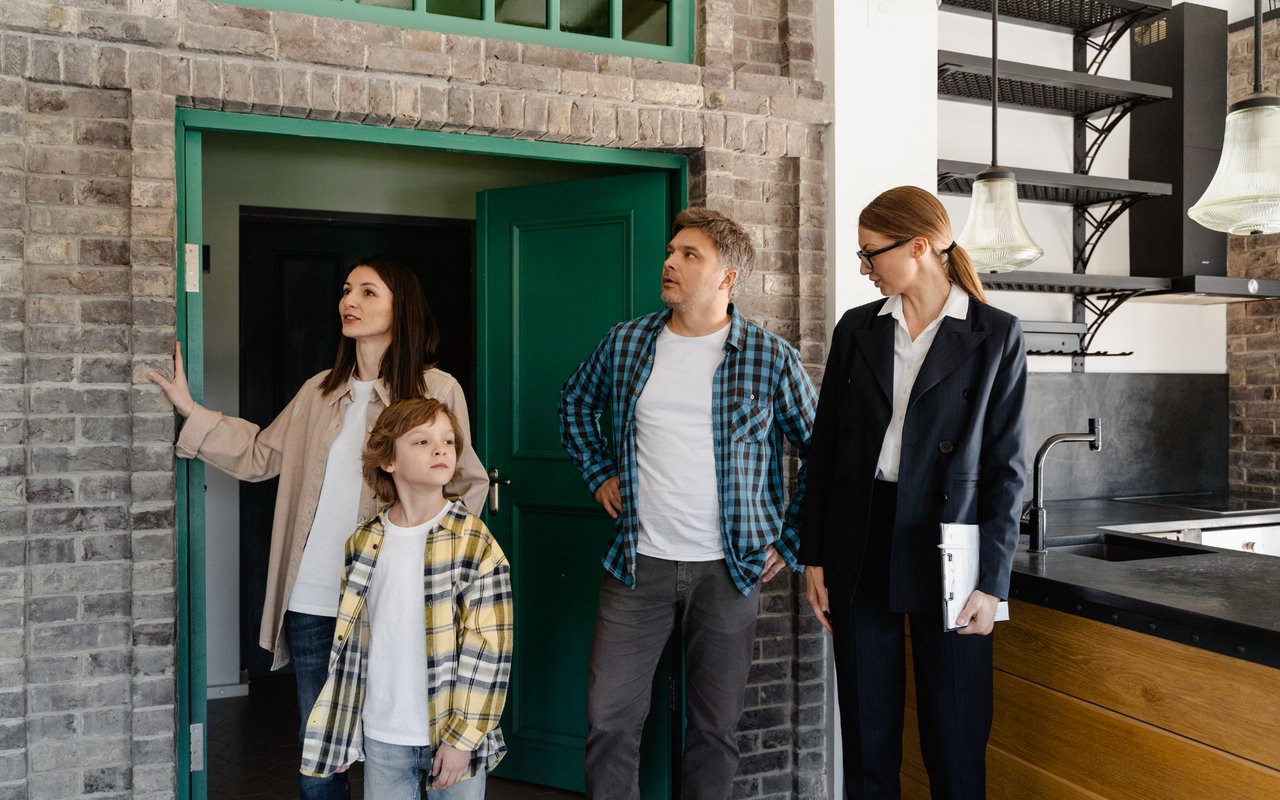
You came home to find every light in the house blazing, the back door unlocked, and the garage door wide open. Nobody stayed behind on purpose. They just left without … Read more
Get assistance in determining current property value, crafting a competitive offer, writing and negotiating a contract, and much more. Contact me today.
TESS HERNANDEZ
6901 Quaker Ave Ste 100 Lubbock, TX 79413