
New Construction Warranty Timelines in Texas Explained
When you buy a new construction home in Texas, you expect everything to work perfectly. And for a while, it will. But eventually, even brand-new homes settle, shift, or surprise you. That’s why understanding your builder’s warranty timeline is crucial.
Each coverage period serves a different purpose—and knowing when each one expires ensures you use it before it’s too late.
1. The Standard 1-2-10 Warranty
Most Texas builders, including those in Lubbock, follow a version of the 1-2-10 warranty model:
1 Year – Workmanship & Materials:
Covers paint, flooring, drywall, trim, cabinets, and minor finishes. This is your “cosmetic” window—small stuff that shows up once you live in the home.
2 Years – Major Systems:
Covers electrical, plumbing, and HVAC components that make your home function day-to-day. If a circuit fails or a pipe leaks from poor installation, this is when the builder steps in.
10 Years – Structural Coverage:
Covers the foundation and structural frame of the home—load-bearing walls, beams, trusses, and framing connections. It’s the longest and most serious coverage because these issues are rare but expensive to fix.
2. Builder Variations Exist
Some Lubbock builders, like Ventura Homes or David Jordan Homes, add extra coverage through third-party warranty providers. Always verify whether your warranty is in-house or insured externally—the claim process can differ.
3. The Warranty Clock Starts at Closing
Coverage begins the day you close, not the day construction finishes. That means if you buy a completed spec home that’s been sitting for six months, your warranty still starts on your closing date—not the builder’s completion date.
4. Maintenance Matters
Builder warranties assume regular homeowner upkeep. Failing to maintain your HVAC filters, caulking, or grading can void coverage for related issues.
5. The Hidden Bonus: 30-Day Touch-Up
Most builders include a short 30-day post-move-in adjustment period for small items like paint nicks or cabinet tweaks. Mark your calendar—once that window closes, those items fall under standard coverage and require a formal claim.
Understanding this timeline lets you stay proactive, not reactive.
When I help clients close on a new build, I don’t just hand them keys—I hand them a strategy for protecting their investment from day one.
Because warranties don’t fail people—people just forget when they expire.
— Insights from Tess Hernandez, Realtor | Reside Real Estate

The person selling you the home and the person representing that seller in the transaction are the same person. Here is what Texas law requires in this situation, what… Read more

You just found out the listing agent is the seller's mom. Can they do that? Does it have to be disclosed? What does it mean for your offer? Here is what Texas law actu… Read more

You had a showing scheduled. The listing agent called and said they already accepted a contract. Nobody gave you a chance to move up the timeline, make a competing off… Read more

Going active on the MLS while telling buyers they cannot see the home for a week sounds like a strategy. In most cases it is the opposite. Here is what actually happen… Read more

They loved it but picked another house. The kitchen was not their style. No feedback at all. If that is all you are hearing after showings you are not alone and there … Read more

A friend had a nightmare with the same builder. You love the home. Here is how to evaluate that situation honestly, what questions to ask, and how to protect yourself … Read more
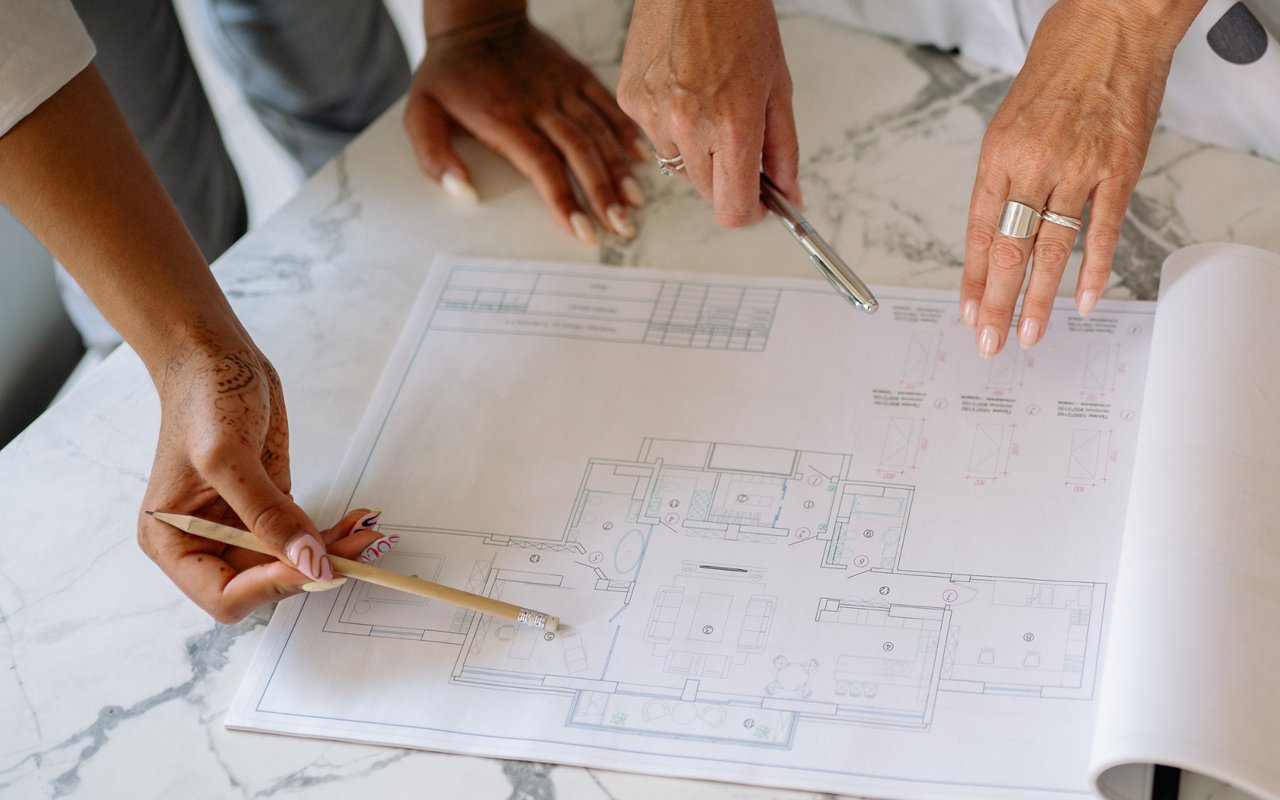
You found a spec home that is almost perfect but you want different flooring, an extra outlet in the garage, or a different cabinet color. Here is exactly how much fle… Read more
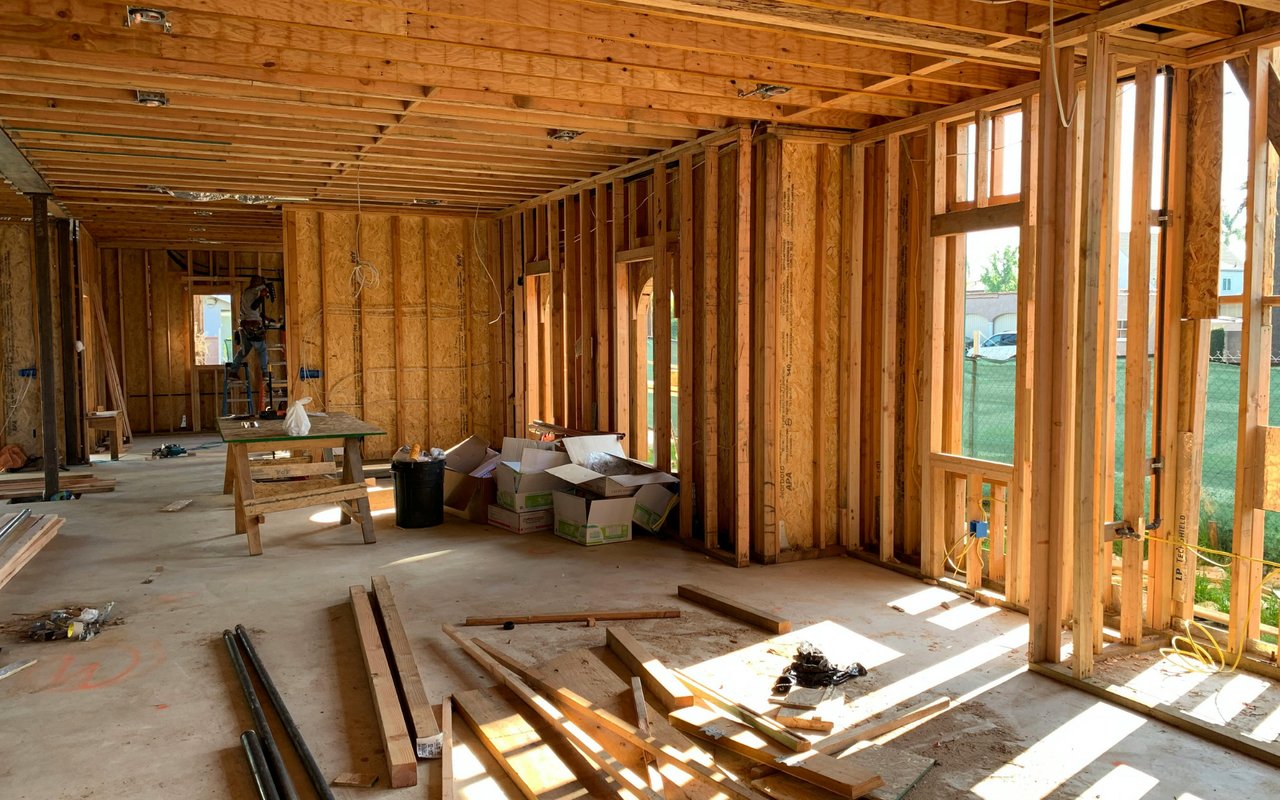
You walked into a new construction community, saw the price sheet, and immediately wondered why there is no room to negotiate the way you would with a resale home. Her… Read more

You came home to find every light in the house blazing, the back door unlocked, and the garage door wide open. Nobody stayed behind on purpose. They just left without … Read more
Get assistance in determining current property value, crafting a competitive offer, writing and negotiating a contract, and much more. Contact me today.
TESS HERNANDEZ
6901 Quaker Ave Ste 100 Lubbock, TX 79413